 1322 W. Kathleen Ave., Suite 1, Coeur d'Alene, Idaho 83815
 208.518.0770
Bad Breath (Halitosis): Causes and How to Fix It
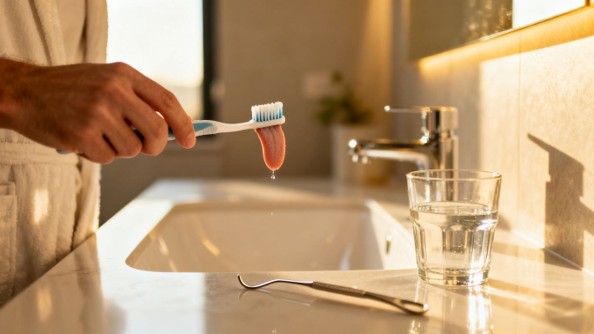
Bad breath is one of the most common concerns patients bring up at Coeur d'Alene Dental Center, and it's rarely something to feel embarrassed about. Most cases trace back to a specific, treatable cause rather than a mystery that mouthwash alone can solve. Understanding what's actually happening in your mouth makes it much easier to fix.
What Causes Bad Breath?
Bad breath, or halitosis, usually starts with bacteria that naturally live on the teeth, gums, and tongue. When these bacteria break down leftover food, shed cells, and proteins in saliva, they release sulfur compounds that often smell like rotten eggs or cabbage. The back of the tongue is especially good at trapping this debris because of its rough surface, which is why tongue cleaning matters as much as brushing.
Plaque buildup, gum disease, and untreated cavities can all intensify odor because they give bacteria more material to feed on and more places to hide. Our deep cleaning and periodontal care services address these buildups directly rather than just masking the smell.
Temporary Morning Breath vs. Chronic Halitosis
Morning breath is usually temporary. Saliva flow slows during sleep, giving bacteria several hours to work without the mouth's normal rinsing action. Drinking water and brushing typically resolve it quickly. Chronic halitosis is different: it lasts beyond the usual morning window or returns quickly after brushing, and it's often linked to plaque, gum disease, dry mouth, or an oral infection that needs professional attention rather than repeated masking with mints.
Common Causes and Useful Next Steps
| Pattern | Common Clue | Useful Next Step |
|---|---|---|
| Temporary morning odor | Improves after drinking water and brushing | Continue consistent oral care |
| Odor after certain meals | Appears soon after strong foods or drinks | Rinse, clean the mouth, allow time |
| Odor with bleeding gums | Tender, swollen, or bleeding gum tissue | Schedule a dental exam |
| Persistent odor with dryness | Mouth feels sticky or parched | Review hydration, medications, mouth breathing |
Gum Disease, Cavities, and Dry Mouth
Gingivitis can cause red, swollen, or bleeding gums, while more advanced gum disease creates deeper pockets where bacteria collect and multiply. Cavities and damaged fillings can also trap food and odor-causing debris. These issues generally need dental treatment, not just breath spray, because the smell tends to return until the underlying problem is addressed.
Dry mouth is another frequent contributor. Saliva rinses away food particles and helps regulate the mouth's environment, so when production drops from dehydration, certain medications, or habitual mouth breathing, odor-causing compounds can linger longer than usual.
Lifestyle Triggers Worth Tracking
Some breath changes are short-lived and tied directly to diet, while others persist because a habit dries the mouth or feeds plaque buildup. Common triggers include:
- Strong-smelling foods such as garlic, onions, and certain spices
- Smoking, vaping, and other tobacco products
- Alcohol and caffeinated beverages that reduce saliva flow
- Crash diets or very low-carbohydrate eating patterns
- Dentures, retainers, or night guards that aren't cleaned as directed
Tracking when odor appears alongside meals, drinks, or habits can reveal a pattern that's easy to miss otherwise.
When Bad Breath May Signal Something More
Most cases begin in the mouth, but persistent halitosis can occasionally accompany sinus problems, acid reflux, or metabolic conditions. The American Dental Association's MouthHealthy resource on bad breath notes that if a dentist has ruled out oral causes and you brush and floss consistently, persistent odor could point to a sinus condition, gastric reflux, diabetes, or another issue worth discussing with your physician.
How We Help Diagnose the Cause
A thorough exam at our comprehensive dental checkups looks for decay, gum inflammation, tongue coating, and other clues that are hard to spot in a bathroom mirror. We'll also ask about your brushing routine, hydration, medications, and any appliances you wear, since these details often point directly to the source.
Bad Breath Treatment That Works
Effective treatment matches the cause. Better brushing and tongue cleaning help when plaque or coating is the issue, while gum disease or cavities need professional dental treatment. Our family dentistry team can build a plan that addresses the actual source rather than covering it up with rinses that only offer short-term relief.
Conclusion
Bad breath is common, and the most effective response is finding its source rather than masking it. Careful brushing, tongue cleaning, hydration, and regular dental visits resolve most cases, while persistent odor deserves a professional look. If your breath hasn't improved despite good habits, contact our Coeur d'Alene office to schedule an exam.
Frequently Asked Questions
What is the most common cause of bad breath?
Most cases start in the mouth, including plaque, tongue coating, trapped food, gum disease, and dry mouth. A dental exam can help identify which factor is involved.
Does brushing your tongue really help with bad breath?
Yes. The tongue, especially toward the back, can hold bacteria and food debris. Clean it gently rather than scraping hard enough to cause discomfort.
Why does my breath smell bad even after brushing?
Odor can return if bacteria remain between teeth, on the tongue, or around inflamed gums. Dry mouth, an untreated cavity, or certain foods can also contribute.
When should I see a dentist about bad breath?
Make an appointment if odor lasts beyond the morning, returns quickly after cleaning, or occurs with bleeding gums, tooth pain, or a bad taste that won't go away.
Can dehydration cause bad breath?
Yes. Dehydration reduces saliva flow, allowing odor-causing compounds to linger longer. Drinking water can help, but ongoing dryness should be discussed with your dentist.
About the Author
Coeur d'Alene Dental Center is located at 1322 W. Kathleen Ave., Suite 1, Coeur d'Alene, Idaho 83815. The practice is led by Dr. KC McVey, DDS, Dr. Sarah McVey, DDS, and Dr. Jason Han, DDS, who together provide family and cosmetic dental care to patients throughout the Coeur d'Alene area.
Disclaimer
The information provided in this article is for educational purposes only and does not constitute professional dental or medical advice, diagnosis, or treatment recommendations. The cause of bad breath can only be determined through an in-person evaluation. Always consult your dentist or physician with any concerns about persistent halitosis.
Blog Post Author

Contributed by DentalROI
DentalROI provides relevant dental content to help providers educate patients. The statements, services, and products referenced in this article have not been evaluated by the Food and Drug Administration, and they are not intended as a substitute for professional medical advice, diagnosis, or treatment. Always seek the advice of your dental provider with any questions or issues you may have. Specific recommendations may vary in different circumstances, so individual consultation is important.

