 1322 W. Kathleen Ave., Suite 1, Coeur d'Alene, Idaho 83815
 208.518.0770
Botox vs Botox Cosmetic - What’s the Real Difference
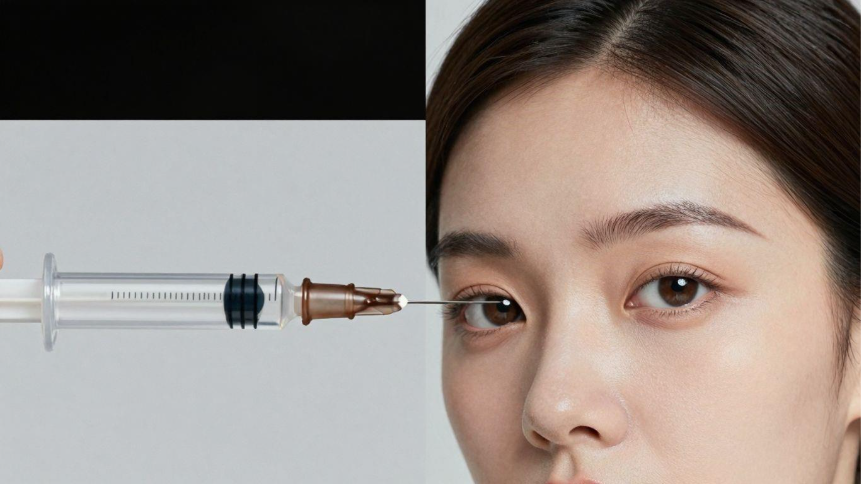
You've probably heard the terms Botox and Botox Cosmetic thrown around, and maybe you've even wondered if they're the same thing. While they share a common ingredient, the real difference lies in their purpose. One is for treating medical conditions, and the other is strictly for making you look a bit younger and smoother. Let's break down what each is used for and why someone might choose one over the other.
Key Takeaways
- Botox and Botox Cosmetic both use the same active ingredient but are approved for different uses.
- Botox is a prescription drug for medical conditions like migraines, muscle spasms, and excessive sweating.
- Botox Cosmetic is specifically for aesthetic treatments, targeting wrinkles and fine lines on the face and neck.
- Both treatments involve injections and typically last about 3-4 months, requiring repeat sessions for continued results.
- Choosing between Botox and Botox Cosmetic depends on whether you're seeking medical relief or aesthetic improvement.
What Botox Cosmetic Is: Aesthetic Intent and Patient Goals
When people talk about Botox, they might be referring to the brand name for a specific type of purified botulinum toxin injection. However, it's important to know that there are distinct uses for this product. Botox Cosmetic, specifically, is designed with aesthetic goals in mind. It's not about treating medical conditions; it's about refining your appearance and addressing signs of aging.
Think of Botox Cosmetic as a tool for smoothing out those lines and wrinkles that appear when you smile, frown, or squint. These are often called dynamic wrinkles, and they form over time due to repeated muscle movements. The goal here is to reduce the appearance of these lines, giving your face a more relaxed and youthful look. It's also used preventatively, especially by younger individuals, to help stop deeper lines from forming down the road.
Botox Cosmetic is solely for aesthetic treatments.
- Crow's feet around the eyes
- Forehead lines
- Frown lines between the eyebrows
- Lines around the lips
- Sometimes used for neck bands or to slim the jawline
The Real Differences That Matter for Patients
When people talk about Botox, they often mean Botox Cosmetic, but it's good to know there's a distinction. Both use the same main ingredient, botulinum toxin type A, but they're approved for different jobs.
- Botox Cosmetic: Focuses on appearance, smoothing wrinkles and fine lines on the face and neck.
- Therapeutic Botox: Addresses medical conditions by relaxing overactive muscles, helping with pain and improving function.
Why Patients Choose Botox Cosmetic for Aesthetic Results
- Minimally Invasive: It involves simple injections, not surgery.
- Visible Results: You can typically see changes within a couple of weeks.
- No Downtime: Most people can go right back to their normal activities after treatment.
- Customizable: Treatments can be tailored to address specific areas of concern.
What a Cosmetic Treatment Session Is Like
- Consultation: Discuss your goals and medical history.
- Preparation: The treatment area is cleaned.
- Injection: Small amounts of Botox Cosmetic are injected with a fine needle.
- Post-Treatment: You can resume daily activities with minimal to no downtime.
Long-Term Advantages of Cosmetic Treatment
- Reduced need for more intensive treatments later
- Consistent appearance
- Improved skin texture
Wrapping It Up: Botox vs. Botox Cosmetic
So, when you hear about Botox, it's easy to get confused because the name is used for both a medical treatment and a cosmetic one. But remember, while they come from the same basic stuff, their jobs are pretty different. Contact Coeur d'Alene Dental Center today to learn more about Botox and Botox Cosmetic treatments and choose the right option for your needs.
Frequently Asked Questions
Can Botox Cosmetic be used for medical problems?
No, Botox Cosmetic is strictly for beauty treatments. It's used to smooth out things like frown lines, crow's feet around the eyes, and forehead wrinkles. The original Botox medicine is approved for different medical conditions, such as migraines, muscle spasms, and excessive sweating, but these are separate uses from what Botox Cosmetic is intended for.
How long do the results from Botox Cosmetic usually last?
Most people find that the effects of Botox Cosmetic last for about 3 to 4 months. Some individuals might see results for a bit longer. It's important to remember that these results aren't permanent, so if you want to keep that smoother look, you'll likely need to get treatments regularly.
What happens during a Botox Cosmetic treatment session?
A Botox Cosmetic session is usually quite fast and simple. A trained healthcare professional will inject tiny amounts of the medicine into specific muscles in your face. Most people find it doesn't hurt much, maybe just a little pinch. After the injection, you can usually go back to your normal activities right away.
Are there any benefits to using Botox Cosmetic when I'm younger?
Yes, there can be! Think of Botox Cosmetic as a way to help prevent deeper lines from forming. By relaxing the muscles that cause expressions like frowning or squinting, it can stop those lines from becoming permanent and very noticeable later on. It's like giving your skin a head start in staying smooth.
What kind of results can someone expect after getting Botox Cosmetic?
Patients typically see a noticeable smoothing of wrinkles and fine lines. It helps relax the muscles responsible for those expressions that cause lines, leading to a more refreshed and youthful appearance. The changes are usually subtle and natural-looking, not drastic. You'll start to see the effects within a few days to a couple of weeks after the treatment.
Blog Post Author

Contributed by DentalROI
DentalROI provides relevant dental content to help providers educate patients. The statements, services, and products referenced in this article have not been evaluated by the Food and Drug Administration, and they are not intended as a substitute for professional medical advice, diagnosis, or treatment. Always seek the advice of your dental provider with any questions or issues you may have. Specific recommendations may vary in different circumstances, so individual consultation is important.

