 1322 W. Kathleen Ave., Suite 1, Coeur d'Alene, Idaho 83815
 208.518.0770
Can Periodontal Disease Be Reversed
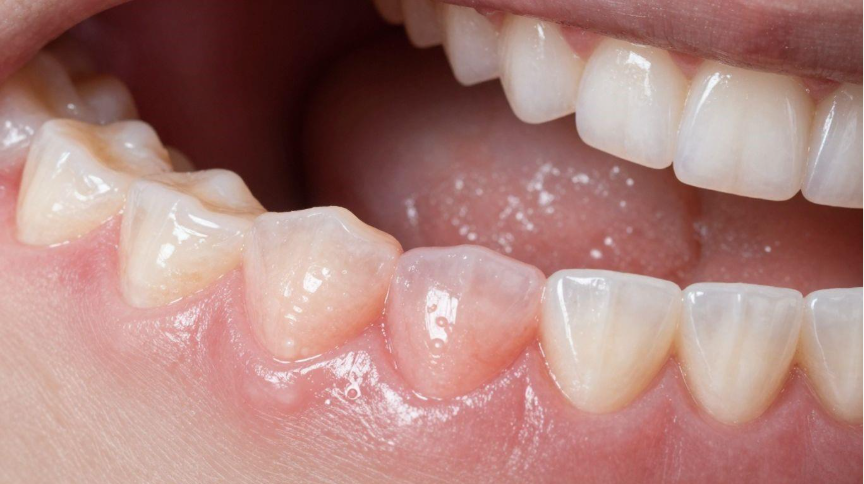
Many people wonder if gum disease, also known as periodontal disease, can be fully undone. It's a common question, especially when you notice your gums bleeding or looking a bit red. The truth is, whether periodontal disease is reversible really depends on how far it has progressed. Understanding the different stages and what can be done is the first step to keeping your smile healthy. Let's break down what that means.
Key Takeaways
- Early-stage gum disease, called gingivitis, is generally reversible with good oral hygiene and professional cleanings.
- Periodontitis, a more advanced form of gum disease, cannot be fully reversed because it involves bone and tissue loss, but its progression can be stopped and managed.
- Treatment for periodontitis focuses on cleaning deep below the gum line, reducing infection, and preventing further damage.
- Consistent at-home care, including brushing twice daily and flossing once daily, is vital for managing and potentially reversing early gum disease.
- Advanced gum disease often requires professional treatments like scaling and root planing, and sometimes surgery, to control the infection and preserve teeth.
What Is Periodontal Disease? A Simple Breakdown
Periodontal disease, often called gum disease, is an infection that affects the tissues holding your teeth in place. It starts when bacteria in your mouth build up, forming a sticky film called plaque. If this plaque isn't removed regularly, it can harden into tartar, which is much harder to get rid of.
This buildup irritates your gums, leading to inflammation. You might notice your gums looking red, feeling swollen, or bleeding when you brush or floss. This early stage is known as gingivitis. The good news is that gingivitis is reversible with proper care.
If gingivitis isn't treated, it can progress to a more serious condition called periodontitis. In this stage, the infection spreads below the gum line, causing the gums to pull away from the teeth and forming pockets. These pockets trap more bacteria, and the body's immune response starts to break down the bone and connective tissue that support your teeth. This is where things get more complicated, and it's harder to reverse periodontal disease completely.
Here are some common signs to watch out for:
- Gums that bleed easily, especially after brushing or flossing
- Red, swollen, or tender gums
- Persistent bad breath
- Gums that seem to be pulling away from your teeth
- Loose teeth or changes in how your bite fits together
It's important to understand that while early gum disease can often be reversed, more advanced stages require professional treatment to manage and prevent further damage. Taking care of your oral health is key to keeping your smile healthy for the long run. If you suspect you have any signs of gum disease, it's a good idea to see a dental professional for an evaluation. You can learn more about gum diseases and their causes.
Can Periodontal Disease Be Reversed? The Honest Answer
So, can periodontal disease be reversed? It's a question many people ask, and the honest answer is: it depends on the stage.
For early stages, like gingivitis, the answer is a definite yes. Gingivitis is the mildest form of gum disease, and when caught early, it’s often completely reversible. This means that with professional cleanings and a solid commitment to at-home care, you can get your gums back to a healthy state. Think of it as nipping the problem in the bud before it has a chance to really take hold.
However, when gum disease progresses to periodontitis, the situation changes. Periodontitis involves damage to the bone and tissues that hold your teeth in place. While you can't fully reverse the damage once it's done, you can absolutely halt its progression and manage the condition. This means that while you might not get back all the lost bone or tissue, you can stop the disease from getting worse and maintain a healthier mouth. It’s more about control and management than a complete undoing.
Here’s a quick look at the stages:
- Gingivitis: This is the reversible early stage. Gums might be red, swollen, and bleed easily, but the bone is still intact.
- Periodontitis: This is the more advanced stage. The infection has spread below the gum line, damaging the bone and tissues. While not fully reversible, it can be managed.
So, is periodontal disease reversible? Yes, in its early stages. Can periodontitis be reversed? Not entirely, but it can be effectively managed. The key is early detection and consistent treatment. If you're wondering about your own gum health, it's always best to consult with a dental professional. They can assess your specific situation and guide you on the best path forward for periodontal disease reversal.
Treatment Options That Help Control and Improve Gum Health
When gum disease progresses beyond the early stages, professional treatments become necessary to manage the infection and repair damage. These interventions aim to stop the disease's advance, reduce inflammation, and help restore the health of your gums and the supporting bone.
The primary goal of treatment is to halt the progression of the disease and create an environment where gum tissues can heal.
For mild to moderate cases, the first line of defense is often a deep cleaning procedure known as scaling and root planing. This is more thorough than a regular cleaning. It involves carefully removing plaque and hardened tartar (calculus) from both above and below the gum line, reaching into the pockets that form around the teeth. The root surfaces are then smoothed to help the gums reattach more effectively and make it harder for bacteria to accumulate again. This procedure is typically done in at least two appointments and may require local anesthetic.
If scaling and root planing don't fully resolve the issue, or if the disease is more advanced, surgical options might be recommended. These procedures are designed to address deeper pockets, regenerate lost bone, and repair damaged gum tissue.
- Flap Surgery: This involves lifting the gum tissue to gain better access for cleaning deep tartar deposits and bacteria. After cleaning, the gums are repositioned to fit snugly against the teeth, which helps reduce pocket depth and promotes healing.
- Bone Grafting: When significant bone loss has occurred around a tooth, bone grafting can be used. This procedure involves placing bone- Grafts (either from the patient's own body or a donor) into the affected area to help regenerate lost bone tissue. This can provide better support for the teeth and encourage gum reattachment.
- Guided Tissue Regeneration (GTR): Often used in conjunction with bone grafting, GTR involves placing a special membrane between the gum tissue and the bone. This barrier guides the growth of bone and connective tissue, preventing the faster-growing gum tissue from filling in the space where bone should regenerate.
- Gum Grafting: If gum recession is a significant problem, exposing tooth roots, a gum graft may be performed. Tissue is taken from another area of the mouth (like the palate) and used to cover the exposed root surfaces. This can help reduce sensitivity, protect the root, and improve the appearance of the smile.
In some cases, localized antibiotic therapy might be used. This can involve placing antibiotic-filled gels or tiny beads directly into deep gum pockets to target persistent bacteria and aid healing, especially in areas that are difficult to clean thoroughly.
The choice of treatment depends heavily on the severity of the gum disease, the amount of bone loss, and your overall health. A thorough examination by a dental professional is the first step to determining the most appropriate plan for your specific situation.
Regular follow-up appointments are also key. After initial treatment, your dental team will monitor your gum health closely to ensure the disease is under control and to catch any signs of recurrence early on.
The Role of At-Home Care in Disease Reversal and Control
While professional dental treatments are vital for managing periodontal disease, what you do at home every single day makes a massive difference. Think of it as a partnership – your dentist provides the expert care, and you provide the consistent daily effort. This daily routine is really the backbone of keeping gum disease in check and helping it to improve.
Consistent, thorough brushing and flossing are non-negotiable. These actions are your primary defense against the plaque that causes gum disease. Brushing at least twice a day and flossing once a day helps remove food particles and bacteria before they can harden into tartar, which is much harder to get rid of. If you're not doing this regularly, bacteria can really build up, and that's not good for your gums.
Here’s a breakdown of what makes at-home care so effective:
- Proper Brushing Technique: It’s not just about brushing; it’s about how you brush. Use a soft-bristled toothbrush and angle it towards the gum line. Gentle, circular motions are usually best. Make sure you’re reaching all surfaces of your teeth.
- Effective Flossing: Flossing gets into those tight spaces between teeth and under the gum line where your toothbrush can’t reach. Gently slide the floss up and down along the side of each tooth.
- Consider Additional Tools: Sometimes, a regular toothbrush and floss aren’t quite enough. Your dental team might suggest tools like an electric toothbrush, which can be really good at removing plaque, or a water flosser for those hard-to-reach spots. Special interdental brushes can also be helpful for cleaning between teeth.
It’s important to remember that even with the best at-home care, professional cleanings are still necessary. These appointments remove hardened tartar that you can’t get rid of on your own. For early stages of gum disease, these cleanings, combined with your daily routine, can often be enough to reverse the condition. For more advanced cases, at-home care works alongside professional treatments to stop the disease from getting worse and help your gums heal.
The goal of at-home care is to create an environment in your mouth that is hostile to the bacteria causing gum disease. This means diligently removing plaque and food debris daily, preventing the buildup that leads to inflammation and infection. It’s a continuous effort that supports the work done by dental professionals.
Making these habits a regular part of your life is key to managing and potentially reversing the effects of periodontal disease. It’s about taking control of your oral health day in and day out, which can lead to a healthier smile and better overall well-being. Improving your daily routine is a big step toward better gum health.
Who Is a Good Candidate for Periodontal Treatment?
So, who exactly is a good candidate for getting some help with gum disease? Honestly, it's a pretty broad group. If you've been told you have gingivitis, that very early stage where gums get a bit red and maybe bleed when you brush, you're definitely a candidate for treatment. Often, a good professional cleaning and stepping up your daily brushing and flossing game can make a big difference, sometimes even reversing it completely.
Then there are people with more advanced gum disease, what dentists call periodontitis. This is when the damage goes a bit deeper, affecting the bone that holds your teeth in place. If you have periodontitis, you're a candidate for treatments like scaling and root planing, which is a more thorough cleaning that goes below the gum line. This procedure helps get rid of the gunk that's causing the problem and smooths out the tooth roots so your gums can hopefully reattach better.
For those with really advanced cases, where there's been significant bone loss or deep pockets, surgical options might be on the table. This could include things like gum grafts to cover exposed roots or even procedures to help regenerate lost bone. The key thing is that a dental professional, usually a periodontist, will look at your specific situation.
Here's a quick rundown of who might be considered:
- Individuals with gingivitis: Early signs of gum inflammation. Professional cleaning and improved home care are often effective.
- Patients with mild to moderate periodontitis: Those who have lost some supporting bone but still have teeth that can be saved.
- People with advanced periodontitis: Candidates for surgical interventions aimed at reducing pocket depth, regenerating bone, or grafting gum tissue.
- Smokers: While smoking makes treatment outcomes less predictable, quitting smoking significantly improves candidacy and treatment success.
- Individuals with certain health conditions: Conditions like diabetes can affect gum health, making regular periodontal care important.
Basically, if you're noticing any signs of gum trouble – like bleeding gums, persistent bad breath, or teeth that feel loose – it's worth talking to a dental professional. They can figure out what's going on and whether treatment is the right path for you. The earlier you address it, the better the chances of managing and improving your gum health.
It's important to remember that while treatment can significantly improve gum health and stop the progression of the disease, it doesn't always mean a complete 'cure' in the sense of returning everything to how it was before any damage occurred. The goal is to control the infection, prevent further loss, and restore as much function and health as possible.
So, Can Periodontal Disease Be Reversed?
When it comes to periodontal disease, the answer isn't a simple yes or no. Early on, like with gingivitis, it's definitely reversible with good brushing, flossing, and regular dental cleanings. You can get your gums back to a healthy state. However, once the disease progresses to periodontitis, where bone and tissue damage has happened, a full reversal isn't usually possible. Think of it like this: you can stop the damage from getting worse and even help some areas heal, but you can't magically regrow all the lost bone. The good news is that with professional treatment and a solid home care routine, you can manage the condition, stop it from advancing, and keep your teeth for a long time. It's all about catching it early and working closely with your dental team. Contact Coeur d'Alene Dental Center today and take the first step toward a healthier, more confident smile.
Frequently Asked Questions
What exactly is periodontal disease?
Periodontal disease, often called gum disease, is a gum infection that can harm the soft tissue and bone that support your teeth. It starts when too much bacteria build up in your mouth. If not treated, it can get worse over time and cause serious problems.
Can gum disease be completely cured?
While early gum disease, known as gingivitis, can often be fully reversed with good care, more advanced stages are usually managed rather than cured. Once the bone and tissues supporting your teeth are damaged, they don't always grow back completely. However, treatments can stop the disease from getting worse and improve your gum health significantly.
What are the signs that someone might have periodontal disease?
Common signs include gums that look red or swollen, bleeding when you brush or floss, persistent bad breath, and gums that seem to be pulling away from your teeth. Sometimes, teeth might feel loose or shift position. If you notice any of these, it's a good idea to see a dentist.
How can I help reverse or control gum disease at home?
The most important thing is to practice excellent oral hygiene every day. This means brushing your teeth at least twice a day and flossing at least once a day to remove plaque and bacteria. Using an antimicrobial mouthwash can also be helpful. Regular dental check-ups are also key.
What happens if gum disease isn't treated?
If gum disease is left untreated, it can lead to more serious problems. The infection can spread, causing more damage to the bone and tissues that hold your teeth. In severe cases, this can result in tooth loss. It can also affect your overall health.
Are there treatments available for advanced gum disease?
Yes, there are several advanced treatments that can help manage severe gum disease. These can include deep cleaning procedures like scaling and root planing, and sometimes surgical options such as flap surgery, bone grafting, or guided tissue regeneration to repair damage and prevent further problems.
Blog Post Author

Contributed by DentalROI
DentalROI provides relevant dental content to help providers educate patients. The statements, services, and products referenced in this article have not been evaluated by the Food and Drug Administration, and they are not intended as a substitute for professional medical advice, diagnosis, or treatment. Always seek the advice of your dental provider with any questions or issues you may have. Specific recommendations may vary in different circumstances, so individual consultation is important.

