 1322 W. Kathleen Ave., Suite 1, Coeur d'Alene, Idaho 83815
 208.518.0770

Fluoride Treatments for Adults: Are They Really Necessary?
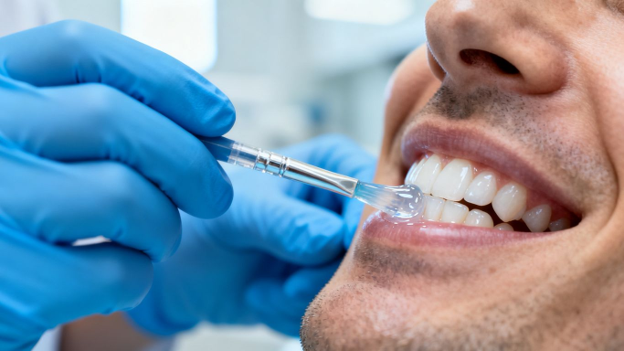
Fluoride treatments often get mentally filed away as a "kids only" part of dentistry, but the team at Coeur d'Alene Dental Center recommends them for plenty of adult patients too. Whether a professional fluoride treatment makes sense for you depends on your cavity risk, not your age.
How Fluoride Protects Teeth
Fluoride is often called nature's cavity fighter because it strengthens tooth enamel and makes it more resistant to the acids that cause decay. Cavities form when bacteria in the mouth feed on sugars and release acids that attack enamel over time. Fluoride helps reverse this early damage through a process called remineralization, essentially rebuilding the enamel's mineral structure before a cavity has a chance to form.
This process works the same way in adult teeth as it does in children, which is part of why fluoride remains relevant well beyond childhood. Adult enamel can still lose minerals to acid attacks, especially around aging fillings, exposed roots, or areas with thinning enamel.
Who Benefits Most From Adult Fluoride Treatments
| Risk Factor | Why Fluoride Helps |
|---|---|
| Dry mouth (medication-related or age-related) | Less saliva means less natural protection against acid |
| Gum recession or exposed roots | Root surfaces lack enamel and decay more easily |
| History of frequent cavities | Indicates ongoing vulnerability to decay |
| Orthodontic appliances or bridgework | Extra surfaces trap plaque and are harder to clean |
| Radiation therapy to the head or neck | Significantly reduces saliva flow and raises cavity risk |
What Happens During a Fluoride Treatment
An in-office fluoride treatment is quick and painless. During a routine visit as part of our comprehensive dental checkups, we apply a concentrated fluoride gel, foam, or varnish directly to the teeth. The treatment typically takes just a few minutes, and patients are usually asked to avoid eating or drinking for a short period afterward so the fluoride has time to fully absorb into the enamel.
This professional-strength application delivers far more fluoride than toothpaste or mouthwash alone, which is why it can meaningfully lower cavity risk for patients who need the extra protection.
Is Fluoride Treatment Right for You?
Not every adult needs a professional fluoride treatment at every visit. The decision depends on factors like your cavity history, whether you have dry mouth, how much fluoridated water you drink, and whether you have exposed root surfaces or extensive dental work. Our family dentistry team evaluates these factors during your regular checkup and recommends treatment only when it's likely to make a meaningful difference.
What fluoride treatments for adults actually do
Fluoride treatments for adults are meant to add targeted protection where ordinary brushing may not be enough. Fluoride helps teeth resist acid attacks and supports the repair of very early mineral loss. It does not make an existing cavity disappear, but it can help slow the process that leads to one. Whether treatment makes sense depends largely on your personal risk rather than your age alone.
How fluoride strengthens weakened enamel
Tooth enamel is constantly losing and regaining minerals. Acid from plaque, bacteria, and sugary or acidic foods can pull minerals away, while saliva and fluoride help put some of them back. Fluoride becomes part of the enamel surface and makes it more resistant to future acid exposure. That extra resistance is especially useful when a tooth has repeated acid challenges or a small weakened area that has not yet become a cavity.
The difference between preventing cavities and repairing them
Fluoride is most useful before decay has formed a hole in the tooth. It can support remineralization and may help arrest very early decay, but it cannot rebuild a tooth once a cavity has created a physical defect. A dentist may recommend a filling or another treatment for established decay, while fluoride serves as one part of prevention around it.
That distinction keeps expectations realistic. Prevention is the main goal, not a promise that every tooth will remain problem-free. Regular examinations are still needed to identify changes that fluoride alone cannot address.
Why professional treatments are stronger than everyday toothpaste
Professional applications use a more concentrated product than the fluoride exposure people generally receive from everyday toothpaste. A dentist or hygienist can place it directly on areas that need added protection, such as exposed root surfaces or spots prone to recurrent decay. The treatment is also tied to an examination, so the recommendation can reflect what is actually happening in your mouth.
Higher concentration does not automatically mean everyone needs an office application. For someone at low risk who brushes consistently with fluoride toothpaste, the additional benefit may be modest. The point is targeted use, not simply choosing the strongest option available.
When results may not be immediately noticeable
Fluoride treatment usually does not create a visible change in the smile. Its value is preventive, so success may look like fewer new cavities or less progression of early weak areas over time. If sensitivity is part of the problem, improvement may also take repeated care rather than appearing immediately after one visit.
A dentist may track the result through examinations, X-rays when appropriate, and your history of new decay. That makes the treatment easier to judge than relying on how your teeth look in the mirror.
Why Adults Still Need Fluoride
Several life changes make adults more vulnerable to decay than they might expect. Receding gums can expose the softer root surface of a tooth, which is more susceptible to decay than the enamel-covered crown. Dry mouth from medications, certain health conditions, or age-related changes in saliva production also reduces the mouth's natural ability to wash away bacteria and buffer acids.
Older dental work, including crowns, bridges, and fillings, can create small gaps or rough edges where plaque accumulates more easily. Our gum recession and periodontal care services often go hand in hand with fluoride recommendations for patients dealing with these exact issues.
Who may benefit most from an adult fluoride treatment
Adults do not all have the same cavity risk, and a routine preventive visit is not automatically a reason for fluoride treatment. The decision often reflects recent decay, saliva flow, exposed tooth surfaces, diet, oral hygiene, and dental appliances. A short conversation about these factors can be more useful than a one-size-fits-all rule.
Adults with frequent cavities
Someone who has developed several cavities recently, needed restorations because of new decay, or tends to develop decay around dental work may benefit from extra fluoride. Repeated cavities suggest that the balance between mineral loss and repair is not working in the tooth's favor. An in-office treatment may add protection while the underlying causes are addressed.
It is still worth asking why the cavities are occurring. Missed areas during brushing, frequent snacking, acidic drinks, or a change in saliva can all matter. Fluoride helps, but it works best alongside a plan that addresses the pattern.
People with dry mouth or medication-related dental risks
Saliva naturally washes the mouth, buffers acids, and contributes minerals that support enamel. Dry mouth reduces those benefits. It can result from medications, medical conditions, dehydration, or other causes, and it may raise the risk of decay even when someone is trying to maintain good hygiene.
A dentist may consider fluoride along with practical steps such as reviewing medications with a physician, drinking water regularly, and using products intended for dry-mouth care. The treatment decision should account for the cause and severity of the dryness rather than treating it as an isolated symptom.
Patients with gum recession, braces, or exposed roots
When gums recede, parts of the tooth root may become exposed. Root surfaces do not have the same enamel covering as the crown of a tooth and can be more vulnerable to decay and sensitivity. Braces and other appliances can also create areas where plaque is harder to remove.
Extra fluoride may be useful in these situations, particularly when a person has already had decay in difficult-to-clean areas. It does not replace careful brushing around brackets or along the gumline, but it can complement that effort.
How diet and oral hygiene affect the decision
Frequent exposure to sugar and acid gives plaque more opportunities to damage enamel. The timing matters as well: sipping sweet or acidic drinks throughout the day can be more challenging for teeth than having them occasionally with a meal. Brushing twice daily with fluoride toothpaste and cleaning between the teeth remain central to prevention.
A simple risk review usually includes these questions:
- How often do you eat or drink sugary or acidic items between meals?
- Have you had a new cavity or filling recently?
- Do you have dry mouth, gum recession, braces, or exposed roots?
- Are there areas you consistently struggle to clean?
These answers help a dentist decide whether an office treatment adds meaningful protection. They also point toward changes that may have a larger effect than fluoride alone.
The main types of fluoride treatments
Fluoride can be delivered in several forms, and the best choice depends on the person, the treatment goal, and what can be used consistently. Some options are applied in the dental office, while others become part of a home routine. Concentration, contact time, and ease of use all matter.
Fluoride varnish applied in a dental office
Varnish is brushed onto the teeth in a thin layer during a dental visit. It adheres to the tooth surface and provides concentrated, localized exposure without requiring a long appointment. Dentists may use it when someone has elevated cavity risk, sensitive exposed roots, or areas that need extra protection.
Because it is applied professionally, the clinician can focus on particular surfaces and give aftercare instructions. Varnish is not a substitute for treating decay that is already established.
Prescription-strength fluoride toothpaste
Some adults with higher cavity risk receive toothpaste with more fluoride than standard over-the-counter formulas. It is used at home according to the dentist's directions, which makes consistency especially important. The product is intended to be spit out rather than swallowed, and the appropriate amount and frequency should come from a dental professional.
This option can be practical for people who need regular support between visits. It is not necessarily appropriate for every adult, particularly when there is no elevated risk to justify prescription use.
Fluoride gels, foams, and rinses
Gels and foams may be placed in a tray or applied directly to the teeth in a dental office. Fluoride rinses can be available for home use or used as part of a professional preventive plan, depending on the formulation and local recommendations. Each format differs in how it is applied and how long it stays in contact with the teeth.
The label, dental instructions, and a person's risk profile should guide use. More frequent or larger amounts are not automatically better and can create unnecessary exposure.
How dentists choose between treatment options
A dentist may weigh recent cavity history, saliva flow, exposed roots, orthodontic appliances, diet, home care, and sensitivity. The condition of existing restorations and the person's ability to follow instructions can also affect the choice. An office treatment may be useful when concentrated protection is needed quickly, while a home product may support protection over time.
The options can be compared in broad terms, though the final recommendation should be individualized:
| Option | Typical setting | Often considered when |
|---|---|---|
| Varnish | Dental office | Targeted, concentrated protection is needed |
| Prescription toothpaste | Home | Ongoing elevated cavity risk requires daily support |
| Gel or foam | Dental office | A tray-based application suits the treatment plan |
| Fluoride rinse | Home or office | An additional topical option fits the person's routine |
The table is a starting point, not a prescription. A dentist can explain which product, amount, and schedule fit your mouth and medical history.
What to expect during and after treatment
Most professional fluoride treatments are brief and take place during a regular dental appointment. The application itself is usually straightforward, but aftercare instructions can vary by product. Asking what was used and when you can resume normal eating helps avoid confusion.
How the application process works
The teeth are generally cleaned and dried as needed before the fluoride is placed. Varnish may be painted onto selected surfaces, while gel or foam may be placed in a tray for a specified period. You may be asked to keep your mouth open briefly and avoid disturbing the material while it sets.
The process should not be painful. If you have a strong gag reflex, sensitivity, or difficulty tolerating dental materials, mention it before treatment so the team can adjust the approach where possible.
How long fluoride varnish stays on your teeth
Varnish is designed to remain on the teeth for a period after application rather than being immediately rinsed away. The exact instructions depend on the product and the dental office's protocol. It may feel slightly different from the normal tooth surface at first, but that sensation is generally temporary.
Follow the specific directions you receive instead of assuming every varnish has identical aftercare. Product instructions take priority over general advice.
What to eat and avoid afterward
Many offices recommend waiting briefly before eating or drinking and avoiding particularly hard, sticky, or hot foods for a period afterward. The goal is to let the varnish stay in place and provide contact with the teeth. Your dentist or hygienist should tell you exactly how long those restrictions apply.
Soft foods may be the simplest choice if your mouth feels coated. If you accidentally eat sooner than advised, do not panic; ask the dental office whether any additional step is needed.
Possible short-term sensations or side effects
A temporary coated feeling, mild taste, or slight change in texture can occur after varnish. Some people may notice short-lived sensitivity or irritation, although significant discomfort is not expected. Contact the dental office if symptoms are intense, persist, or seem related to an allergic reaction.
It is also useful to distinguish treatment sensations from an existing dental problem. Pain that continues after the appointment may need a separate evaluation rather than another fluoride application.
Are fluoride treatments safe for adults?
When used as directed, topical fluoride treatments are generally considered safe for adults. Safety depends on the product, the amount, how it is applied, and whether the person follows instructions. A dentist should know about relevant medical conditions, allergies, and products already being used.
Common concerns about fluoride exposure
People sometimes worry that a professional treatment adds too much fluoride. In practice, the relevant question is total exposure and correct use, not simply whether fluoride is present. Topical dental treatments are intended to work on the teeth, and adults are instructed not to swallow products meant to be spit out or professionally applied.
If you are unsure about a product, ask what it contains and how long it should remain in contact with your teeth. Clear instructions make the risk-benefit decision easier.
The difference between recommended use and overexposure
Following the recommended amount and schedule is different from repeatedly using extra products without guidance. Swallowing toothpaste or rinses, combining several fluoride products unnecessarily, or ignoring product directions can increase exposure. Keep dental products out of reach of children, who may be more vulnerable to swallowing them.
Adults should not increase frequency simply because they want faster results. More treatment is not automatically more protection.
When allergies or sensitivities may matter
True allergy to fluoride itself is uncommon, but a person may react to another ingredient in a varnish, gel, toothpaste, or rinse. Tell the dental team about previous reactions to dental materials, flavorings, adhesives, or medications. Sensitivity to a product may call for a different formulation rather than abandoning preventive care altogether.
Seek prompt medical advice for swelling, breathing difficulty, widespread hives, or other signs of a serious reaction. Mild taste changes and a temporary coating are different from an emergency reaction.
Why dentists consider your full health history
Your medications, saliva flow, kidney health, swallowing ability, diet, and prior dental treatments can affect the recommendation. A dentist may also consider pregnancy, allergies, and whether you can reliably follow home instructions. Sharing an up-to-date medication list helps the clinician avoid preventable problems.
The safest plan is usually the one that fits both your dental risk and your broader health circumstances. Do not hide a concern because a treatment seems routine.
How often adults need fluoride treatments
There is no universal schedule for adult fluoride treatment. Some people may benefit from an application during regular preventive visits, while others may need it less often or not at all. The timing should change if your cavity risk changes.
Factors that determine treatment frequency
Dentists may look at new cavities, fillings placed because of recent decay, dry mouth, root exposure, braces, diet, hygiene, and previous response to prevention. A history of repeated decay may support more regular treatment. A stable mouth with low risk may call for a lighter approach.
Review the decision at routine visits rather than assuming the same schedule will always apply. Changes in medication, health, or dental appliances can alter the calculation.
When an in-office treatment may be unnecessary
An office application may add little for an adult with healthy teeth, consistent fluoride toothpaste use, good saliva flow, and no recent decay. That does not mean fluoride is irrelevant; daily toothpaste and ordinary exposure may already provide appropriate protection. Your dentist can explain why an extra treatment is or is not recommended.
Declining an unnecessary application should not mean skipping preventive care. Examinations, cleaning between teeth, and daily brushing still matter.
Situations that call for more frequent protection
More frequent protection may be considered when cavities continue to appear, saliva flow is low, roots are exposed, or braces make plaque control difficult. A new medication or major change in diet can also raise risk. In these cases, fluoride may be combined with prescription toothpaste, diet changes, or dry-mouth management.
The goal is not an indefinite series of treatments without review. Each visit should be an opportunity to see whether the added protection is helping and whether the underlying risk has changed.
How daily brushing supports professional treatments
Professional fluoride cannot compensate for plaque that remains on the teeth every day. Brushing twice daily with fluoride toothpaste and cleaning between teeth help maintain the protection between appointments. Avoid rinsing away toothpaste immediately if your dentist has advised you to let it remain on the teeth.
A consistent routine also gives your dentist a clearer picture of what additional care is actually needed. Small habits, repeated reliably, often do more than occasional intensive efforts.
Deciding whether fluoride treatment is worth it
The value of fluoride treatment depends on the gap between your current cavity risk and the protection your routine already provides. For a low-risk adult, the added benefit may be limited. For someone with recurring decay, dry mouth, or exposed roots, a short preventive treatment may be a sensible investment.
Questions to ask your dentist
A useful appointment includes more than a simple yes-or-no recommendation. Ask what risk factor makes treatment appropriate, what product will be used, and how often it should be repeated. You can also ask what changes at home would reduce the need for additional treatment.
Consider asking:
- What evidence of cavity risk do you see in my mouth?
- Which fluoride format is being recommended, and why?
- What should I do differently after the application?
- How will we know whether the treatment is helping?
These questions turn a routine recommendation into a shared decision. They also make it easier to compare professional treatment with a home-based plan.
How dental history and insurance coverage factor in
Your history of cavities, restorations, gum recession, and dental appliances may be more relevant than your age. Insurance coverage can affect out-of-pocket cost, but coverage rules do not determine whether treatment is clinically useful. Some plans limit adult benefits even when a dentist believes extra protection is reasonable.
Ask the office about the fee and your expected coverage before treatment if cost is a concern. If coverage is limited, the dentist may help prioritize the most useful preventive measures.
Professional treatment versus at-home fluoride products
A professional application offers concentrated treatment under dental supervision. At-home toothpaste or rinses provide repeated, routine exposure and may be enough for people at lower risk. Some adults benefit from both, while others need only a carefully chosen home routine.
The best option is the one that matches your risk and that you can use correctly. Adding several products without guidance can increase complexity without adding meaningful benefit.
Signs your current cavity-prevention routine may need an upgrade
New cavities, frequent sensitivity, dry mouth, exposed roots, or difficulty cleaning around braces are reasons to review your plan. So are changes in medication, diet, or how often you snack. These signs do not prove that you need professional fluoride, but they do suggest that your current approach deserves a closer look.
Bring those changes to your next dental visit. A small adjustment in technique, product, diet, or treatment frequency may provide the extra protection you need.
Conclusion
Fluoride treatments aren't just a childhood ritual: they remain a valuable, evidence-backed tool for adults facing dry mouth, gum recession, a history of cavities, or other risk factors. If you're unsure whether you'd benefit, our team can review your risk factors at your next visit. Contact our Coeur d'Alene office to schedule an appointment.
Frequently Asked Questions
Do adults really need fluoride treatments?
Many adults benefit, especially those with dry mouth, gum recession, a history of frequent cavities, or extensive dental work that increases decay risk.
How often should an adult get a fluoride treatment?
Frequency depends on individual risk factors. Your dentist can recommend a schedule based on your cavity history and current oral health.
Is professional fluoride treatment better than fluoride toothpaste?
Professional treatments deliver a higher concentration of fluoride directly to the enamel and are meant to supplement, not replace, daily brushing with fluoride toothpaste.
Are fluoride treatments safe for adults?
Yes. In-office treatments are dosed and applied by trained professionals specifically to ensure safe, effective use.
Can fluoride reverse a cavity that has already formed?
Fluoride can help reverse very early enamel damage through remineralization, but it cannot repair a cavity that has already broken through the enamel surface.
About the Author
Coeur d'Alene Dental Center is located at 1322 W. Kathleen Ave., Suite 1, Coeur d'Alene, Idaho 83815. The practice is led by Dr. KC McVey, DDS, Dr. Sarah McVey, DDS, and Dr. Jason Han, DDS, who together provide family and cosmetic dental care to patients throughout the Coeur d'Alene area.
Disclaimer
The information provided in this article is for educational purposes only and does not constitute professional dental advice, diagnosis, or treatment recommendations. Whether fluoride treatment is appropriate for you can only be determined through an in-person evaluation. Always consult your dentist with any questions regarding your oral health.
Blog Post Author

Contributed by DentalROI
DentalROI provides relevant dental content to help providers educate patients. The statements, services, and products referenced in this article have not been evaluated by the Food and Drug Administration, and they are not intended as a substitute for professional medical advice, diagnosis, or treatment. Always seek the advice of your dental provider with any questions or issues you may have. Specific recommendations may vary in different circumstances, so individual consultation is important.

