 1322 W. Kathleen Ave., Suite 1, Coeur d'Alene, Idaho 83815
 208.518.0770
The Quiet Revolution in Orthodontics: A Closer Look at Invisalign
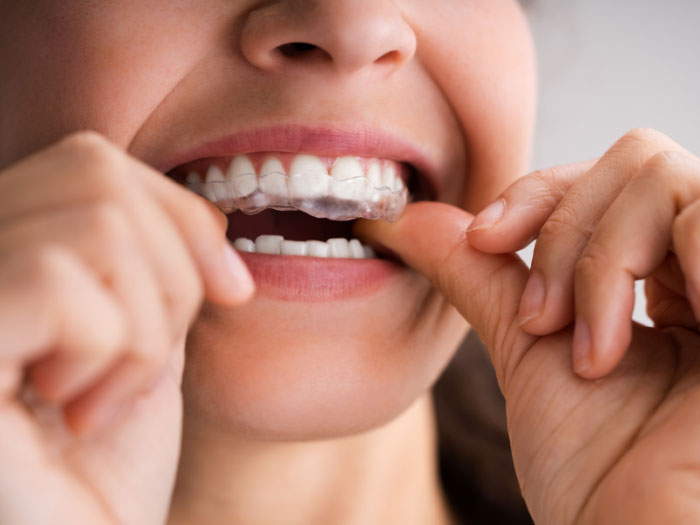
There was a time when straightening one’s teeth meant making peace with brackets, wires, and a calendar full of orthodontic visits. These days, many patients—adolescents and adults alike—are drawn to something less conspicuous, more tailored, and, for many, far more comfortable.
Invisalign has shifted the landscape. It's not simply an alternative to traditional braces; it’s a system born of digital precision and patient-centered design. What makes it particularly compelling isn’t just the clear trays, but the way the entire treatment adapts to real life, not the other way around.
When Alignment Is More Than Cosmetic
Crooked teeth rarely stay silent. They trap plaque in tight crevices. They wear down unevenly. They strain the bite and sometimes even the jaw. For many, what begins as a cosmetic concern reveals deeper clinical consequences: gingival inflammation, shifting bite forces, or even early-stage periodontal disease.
Alignment issues can stem from any number of things—genetics, developmental habits, the early loss of baby teeth. Often, the problem isn’t glaring at first. But over time, the mouth tells its own story.
Correcting that misalignment used to mean a fairly one-size-fits-all journey. But technology, especially in orthodontics, has changed the conversation.
How Invisalign Rethinks Tooth Movement
The process begins without putty. A 3D scanner captures a detailed digital map of your teeth—one that sees more than the naked eye ever could. From there, the dentist works with computer-aided software to plot each phase of the treatment, tooth by tooth, week by week.
Every few weeks, patients switch to the next set of aligners—transparent trays crafted from a specially engineered polymer. These trays apply gentle, consistent pressure, guiding teeth into new positions over time. Some cases also involve small, tooth-colored attachments that help steer more complex movements. They're barely visible, but they make a significant difference in outcomes.
Most cases wrap up in less than a year. Some take a little longer. The key is consistency: the aligners only work if worn faithfully—ideally 20 to 22 hours a day.
Why Patients Choose Invisalign—And When It Might Not Be Ideal
Aesthetics are a clear draw. The aligners are almost invisible during conversations or photos. But there’s more to the appeal: being able to eat without restrictions. Brushing and flossing without dodging brackets. Fewer appointments. Fewer disruptions.
For many adults, especially, the idea of wearing braces feels like a step backward. Invisalign meets that hesitation with a different proposition—one that fits into life without shouting about itself.
Still, it’s not always the right fit. Some movements—especially complex vertical shifts or cases involving skeletal irregularities—may call for traditional orthodontics. And because the trays are removable, motivation matters. The best results come from those who wear them diligently and follow through with retainers once treatment ends.
What Happens After the Last Tray?
There’s a quiet truth in orthodontics: teeth remember where they used to be. Without a retainer, they often try to drift back. That’s why post-treatment maintenance is more than a recommendation—it’s essential.
At this practice, patients typically receive multiple sets of retainers designed for nightly wear. It’s a low-maintenance habit that preserves the work that’s already been done. And when paired with regular checkups and good hygiene, those results hold steady.
A Thoughtful Shift in Care
What Invisalign represents isn’t just innovation—it’s a shift in how care is delivered. It acknowledges that comfort, appearance, and practicality all matter. That good dentistry is about working with patients’ real lives, not against them.
When used thoughtfully and in the right hands, Invisalign becomes more than a tool. It’s a conversation between precision and possibility—one where patients don’t have to choose between health and subtlety.
For a consultation with our Invisalign team, call (208) 518-0770.
Blog Post Author

Contributed by DentalROI
DentalROI provides relevant dental content to help providers educate patients. The statements, services, and products referenced in this article have not been evaluated by the Food and Drug Administration, and they are not intended as a substitute for professional medical advice, diagnosis, or treatment. Always seek the advice of your dental provider with any questions or issues you may have. Specific recommendations may vary in different circumstances, so individual consultation is important.

