 1322 W. Kathleen Ave., Suite 1, Coeur d'Alene, Idaho 83815
 208.518.0770
What Are the Signs That Periodontal Disease Is Getting Worse?
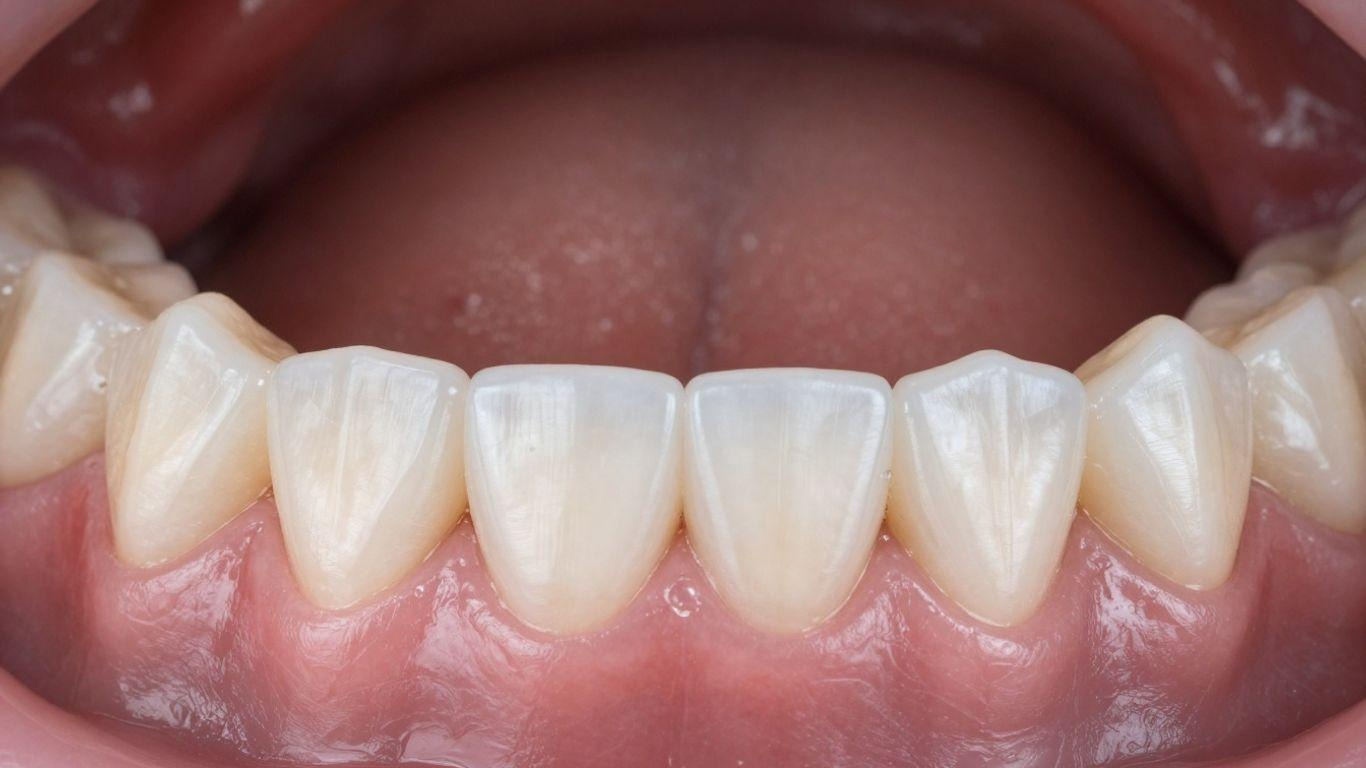
Signs Periodontal Disease Is Getting Worse
So, you've been told you have gum disease, or maybe you're just worried it's getting worse. It's a common concern, and honestly, it's smart to pay attention to what your mouth is telling you. Ignoring it is like ignoring a leaky faucet – it just gets worse and can cause more damage down the line. Let's break down the signs that tell you your gum disease is advancing.
How to Tell If Your Gum Disease Is Advancing
Figuring out if your gum disease is progressing isn't always obvious, especially in the early stages. Sometimes, it's a slow creep, and you might not notice until things are more serious. But there are definitely clues. Think of it like watching a plant – if it starts wilting, you know something's up. Your gums are similar. Are they looking a little different? Do they feel different? These are the first places to look.
Here are some key things to watch for:
- Gum Recession: This is a big one. Your gums might start to pull away from your teeth, making your teeth look longer than they used to. It’s like the gum line is shrinking back.
- Persistent Bad Breath or Taste: That "morning breath" feeling that just won't go away, even after brushing? Or a constant metallic or unpleasant taste in your mouth? That can be a sign that bacteria are really taking hold.
- Increased Sensitivity: Suddenly, your teeth are sensitive to hot or cold drinks, or even just a puff of cold air? This can happen as the gums recede and expose more of the tooth's root.
- Changes in Bite: If your teeth feel a little loose when you chew, or if your bite feels off, that's a pretty serious sign that the supporting structures are weakening.
When your gums start bleeding more easily, even with just gentle brushing or flossing, it's a clear signal that inflammation is present and potentially worsening.
Worsening Periodontitis Warning Signs to Watch For
When periodontitis, the more advanced form of gum disease, starts to get worse, the symptoms can become more pronounced and concerning. This isn't just about a little bleeding anymore; it's about significant changes in your mouth. The most obvious sign that periodontitis is advancing is increased tooth looseness and noticeable gum recession. If your teeth feel like they're starting to shift or if you can see a significant gap forming between your teeth and gums, it's time to take serious notice.
Other warning signs include:
- Deeper Pockets: Your dentist measures the space between your teeth and gums. If these "pockets" are getting deeper (more than 3mm is generally considered a sign of trouble, and deeper is worse), it means the infection is eating away at the bone.
- Visible Bone Loss: While you can't see bone loss directly without an X-ray, severe recession and very loose teeth are often indicators that significant bone damage has occurred.
- Pus or Abscesses: Sometimes, you might see a small pimple-like bump on your gums, or notice pus draining from the gum line. This is a sign of an active infection that needs immediate attention.
- Pain When Chewing: If chewing has become painful, it's a strong indicator that the disease has progressed to affect the bone and tissues supporting your teeth.
It's important to remember that these signs don't appear overnight. They develop as the disease progresses. Catching these warning signs early is key to managing and potentially halting the progression of periodontitis.
Stages of Periodontal Disease Progression
What Are the Periodontal Disease Stages and Symptoms?
Periodontal disease isn't a one-size-fits-all kind of problem; it actually creeps up on you in stages. Understanding these stages is super helpful for knowing what's going on in your mouth and when things are getting serious. Let's break down the typical periodontal disease stages and symptoms.
It all starts with gingivitis, which is basically your gums getting a bit inflamed. This happens when plaque, that sticky film of bacteria, hangs around too long because you're not brushing and flossing quite enough. Your gums might look a little red and puffy, and maybe bleed a bit when you brush. The good news? Gingivitis is totally reversible with better oral hygiene and a good cleaning from your dentist.
But if gingivitis is left to its own devices, it can march on into early periodontitis. This is where things start to get a bit more serious. The plaque hardens into tartar, which is way harder to remove yourself. Now, the infection is starting to mess with the deeper gum tissues and the bone that holds your teeth in place. You might notice your gums starting to pull away from your teeth a little (gum recession), your breath might start to smell less than fresh, and bleeding becomes more common. This is a key point where professional help is really needed to stop the damage.
As the disease progresses, we hit moderate periodontitis. The infection digs deeper, affecting more of that supporting bone. Gum pockets get deeper, and you'll likely see more noticeable gum recession. Teeth might start to feel a bit wiggly. At this stage, it's not really reversible, but treatment can definitely slow things down and manage the infection.
Finally, there's advanced periodontitis. This is the severe stage where significant bone loss has occurred. Your gums are likely very receded, your teeth are probably quite loose, and you might even get painful abscesses. If it gets this far, tooth loss is a very real possibility, and treatment becomes much more complex, sometimes involving surgery.
Here's a quick look at what happens:
- Gingivitis: Red, swollen, bleeding gums. Reversible.
- Early Periodontitis: Slight gum recession, increased bleeding, persistent bad breath, early bone loss. Manageable with treatment.
- Moderate Periodontitis: Noticeable recession, deeper pockets, loose teeth, more bone loss. Not reversible, but treatable.
- Advanced Periodontitis: Severe recession, very loose teeth, significant bone loss, potential tooth loss. Complex treatment needed.
Early vs Advanced Periodontal Disease: What Changes?
So, you've been told you have gum disease, or maybe you're just worried it's getting worse. It's a common concern, and understanding the difference between the early stages and when things get more serious is key. Think of it like a small pothole versus a giant sinkhole in the road – both are problems, but one needs a lot more attention and repair.
When Should You See a Dentist for Gum Disease?
If you're noticing any of the signs we've talked about, like gums that bleed easily, look red and swollen, or if you've got that persistent bad breath that just won't quit, it's time to pick up the phone. Don't wait until your teeth start feeling loose or you see your gums pulling away from them. Catching it early is way easier to deal with. Seriously, even if you think it's just a little irritation, a quick check-up can save you a lot of trouble down the line. Dentists can spot things you might miss, like early plaque buildup or the start of gum pockets.
Here's a quick rundown of what to look out for:
Early Signs (Gingivitis/Early Periodontitis):
- Gums that bleed when you brush or floss.
- Gums that look a bit red or swollen.
- Slightly bad breath.
- Maybe a tiny bit of gum recession you can just barely see.
Advanced Signs (Moderate/Severe Periodontitis):
- Noticeable gum recession – you can see more of your tooth root.
- Teeth that feel loose or wobbly.
- Deep pockets between your teeth and gums, often filled with gunk.
- Persistent, strong bad breath or a bad taste in your mouth.
- Gums that bleed a lot, even with gentle touching.
- Pus or abscesses forming around the teeth.
- Changes in how your teeth fit together when you bite.
The biggest difference between early and advanced gum disease is the extent of the damage. In the early stages, it's mostly inflammation and irritation of the gums. But when it gets advanced, the infection starts eating away at the bone that holds your teeth in place. This bone loss is the real game-changer, and it's much harder, sometimes impossible, to fully fix.
When things get advanced, the treatment gets more involved. We're talking about deep cleanings that go way below the gum line, and sometimes even surgery might be needed to try and repair the damage to the bone and gums. The goal shifts from just stopping the problem to trying to manage the damage and prevent further loss. So, yeah, it really pays to get it checked out sooner rather than later.
Can Worsening Periodontal Disease Be Reversed?
Okay, so your gums are looking a bit rough, and you're wondering if this whole periodontal disease thing can be fixed. The short answer is: it's complicated. While you can't exactly 'cure' it in the sense of making it vanish forever, you can definitely manage it and stop it from getting worse. Think of it like managing a chronic condition – you can keep it under control with the right steps.
How to Stop Periodontal Disease From Getting Worse
Stopping gum disease in its tracks is all about being proactive and getting professional help when you need it. It's not a one-and-done kind of deal; it's more of an ongoing commitment to your oral health.
Here’s what you can do:
- Daily Brushing and Flossing: This is your first line of defense. Brushing at least twice a day and flossing once a day helps remove the plaque and food bits that bacteria love to munch on. Use a soft-bristled brush and fluoride toothpaste. Don't forget to get those tricky spots between your teeth and along the gumline.
- Regular Dental Check-ups: Don't skip your appointments! Your dentist or hygienist can spot problems early, even before you notice them. They'll do professional cleanings to get rid of hardened plaque (tartar) that you can't remove at home.
- Quit Smoking: If you smoke, this is a big one. Smoking really messes with your body's ability to fight off infections, including gum disease. Quitting can make a huge difference in managing your condition.
- Healthy Diet: Eating well supports your overall health, including your gums. Load up on vitamins and minerals that help keep your body strong.
What Are the Periodontal Disease Stages and Symptoms?
- Gingivitis (Early Stage): Gums might be red, swollen, and bleed easily when you brush or floss. The good news? This stage is totally reversible with good oral hygiene and professional cleanings. No bone loss has occurred yet.
- Early Periodontitis: Plaque hardens into tartar, and the gums start to pull away from the teeth, creating small pockets. You might notice slightly receding gums, more bleeding, and persistent bad breath. Treatment like scaling and root planing (a deep cleaning) can help, and the damage might still be manageable.
- Moderate Periodontitis: The infection goes deeper, affecting the bone supporting your teeth. Gums recede more noticeably, pockets get deeper, and teeth might start feeling a bit loose. Bad breath and bleeding are common. While not easily reversible, treatment can control the infection and prevent more damage.
- Advanced Periodontitis: This is the serious stage. Significant bone loss has happened, gums are severely receded, and teeth are very loose. You might have deep, painful pockets and even abscesses. Tooth loss is a real risk here, and treatment focuses on managing the severe infection and trying to save what's left.
The key takeaway is that the earlier you catch gum disease, the better your chances of managing it and preventing serious damage. Once bone is lost, it's very difficult to get it back, which is why early intervention is so important.
When Should You See a Dentist for Gum Disease?
Honestly, if you suspect anything is wrong with your gums, it's time to call your dentist. Don't wait until you're in pain or your teeth are loose.
If you notice any of these signs, pick up the phone:
- Gums that bleed when you brush or floss.
- Red, swollen, or tender gums.
- Persistent bad breath or a bad taste in your mouth.
- Gums that seem to be pulling away from your teeth.
- Teeth that feel loose or are shifting.
- Changes in how your teeth fit together when you bite.
Don't Wait, Take Action!
Periodontal disease can start small, but it can grow into big problems if you don't pay attention. If you think you're seeing any of the signs we talked about, don't just wait for things to get worse. Catching it early makes a huge difference in saving your teeth and keeping your smile healthy. If you're worried about your gums, it's best to see a dentist. They can help you figure out what's going on and how to make things better. Taking care of your mouth now means a healthier you later on.
Frequently Asked Questions
What's the first sign that my gum disease is getting worse?
Usually, the first hint that your gum disease is progressing is when your gums start bleeding more easily, even when you're just gently brushing or flossing. You might also notice your gums look redder and more swollen than usual. Sometimes, your breath might start to smell a bit off, too.
How can I tell if my gum disease is getting serious?
When gum disease gets more serious, you'll likely see your gums pulling away from your teeth, making your teeth look longer. You might also feel pain when you chew, or your teeth might start to feel a little loose. That bad breath or taste in your mouth might stick around more often.
Can my gums get better if they're already receding?
If your gums are already pulling away from your teeth, that's a sign of more advanced gum disease. While you can't always get back the gum tissue that's been lost, getting professional treatment can stop the disease from getting worse and help prevent further damage. It's really important to see a dentist at this point.
What happens if I ignore worsening gum disease?
If you ignore gum disease that's getting worse, it can lead to serious problems. The infection can spread to the bone that holds your teeth in place, which can cause you to lose teeth. It can even affect your overall health, potentially increasing your risk for other issues like heart disease.
Is there anything I can do at home to stop gum disease from getting worse?
Yes! Keeping up with good oral hygiene at home is super important. Brush your teeth really well at least twice a day, and floss every single day to get rid of plaque and food bits between your teeth and along the gum line. Also, try not to smoke, as that makes gum disease worse.
When should I definitely see a dentist about my gums?
You should make an appointment to see your dentist right away if you notice any of these signs: gums that bleed a lot when you brush or floss, gums that look red and puffy, persistent bad breath that doesn't go away, or if your teeth start feeling loose. It's always better to get checked out sooner rather than later.
Blog Post Author

Contributed by DentalROI
DentalROI provides relevant dental content to help providers educate patients. The statements, services, and products referenced in this article have not been evaluated by the Food and Drug Administration, and they are not intended as a substitute for professional medical advice, diagnosis, or treatment. Always seek the advice of your dental provider with any questions or issues you may have. Specific recommendations may vary in different circumstances, so individual consultation is important.

