 1322 W. Kathleen Ave., Suite 1, Coeur d'Alene, Idaho 83815
 208.518.0770
What Is Bioclear and How Is It Different From Veneers?
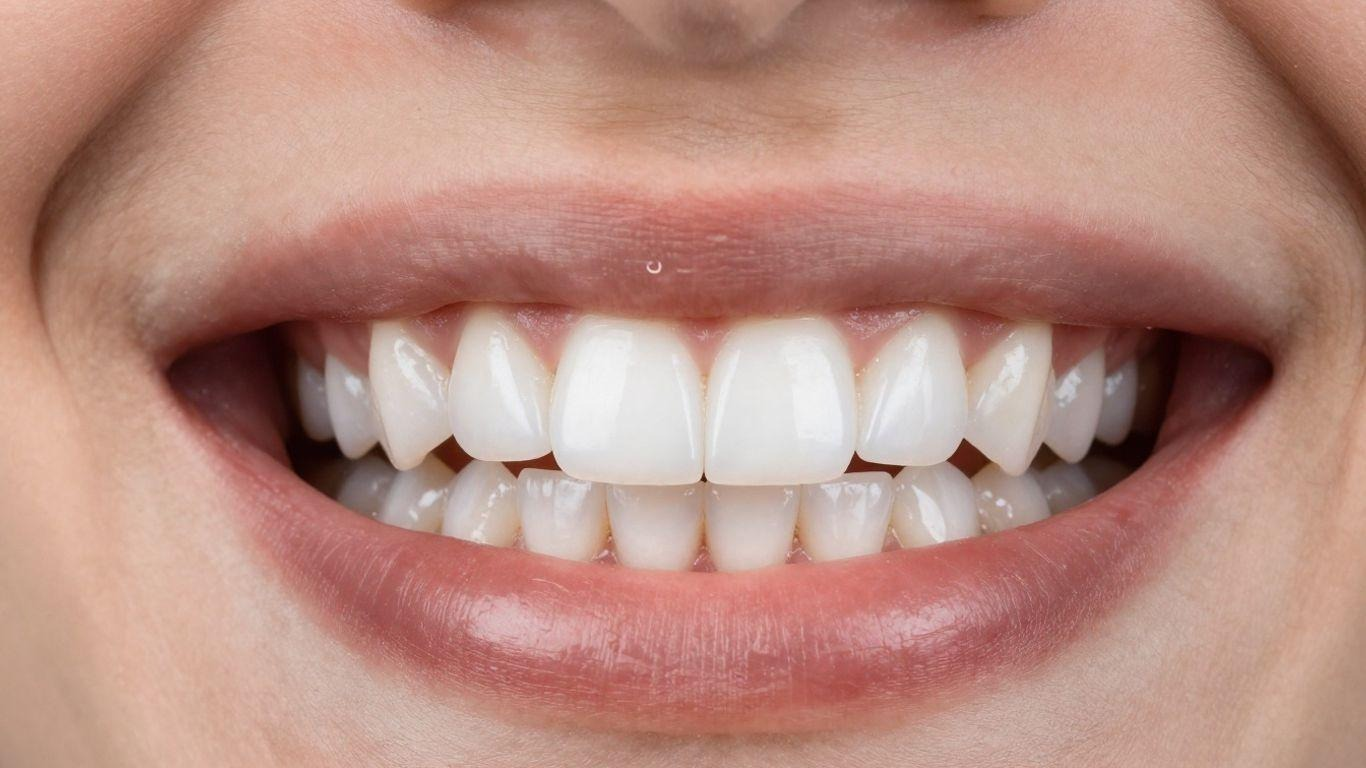
If you are weighing your options for a smile upgrade, you have likely come across two popular cosmetic treatments: Bioclear and porcelain veneers. Both can dramatically improve the appearance of chipped, cracked, worn, or unevenly spaced teeth, but they take fundamentally different approaches. The core distinction comes down to one clinical principle our doctors prioritize: conservation of healthy tooth structure. Bioclear is a minimally invasive, additive technique that builds onto your natural tooth, while veneers typically require removing a thin layer of irreplaceable enamel. Understanding that difference is the key to choosing the right treatment for your smile and your long-term oral health.
What Is Bioclear Dental Treatment?
Bioclear is a modern restorative technique that reshapes and rebuilds teeth using a heated, liquefied composite resin injected into anatomically designed clear matrices. Rather than relying on a hand-layered, freehand approach like traditional bonding, Bioclear uses precision-engineered Mylar matrices that wrap around the tooth to create a seamless, gap-free, highly polished result. The warmed composite flows into every contour, eliminating the microscopic voids where stain and bacteria typically accumulate. The outcome is a restoration that is exceptionally smooth, strong, and remarkably natural in appearance, often completed in a single visit, with no anesthetic and no drilling of healthy enamel.
How Does Bioclear Work on Teeth?
The Bioclear process is methodical and tooth-preserving. It begins with a thorough cleaning of the teeth, including a specialized hygiene step that removes the biofilm and plaque a standard cleaning can miss—creating an ideal surface for bonding. Next, the dentist selects and fits the clear Bioclear matrix around the tooth being treated, which establishes the precise shape of the new restoration. Heated, flowable composite resin is then injected into the matrix, and a curing light hardens it into place. Finally, the dentist contours and polishes the material to a glass-like finish so it blends invisibly with the surrounding teeth. The entire restoration is typically completed in one appointment.
Bioclear Dental Bonding Explained
It is a common misconception that Bioclear is simply a new name for traditional dental bonding. While both use composite resin, the technique and the results are meaningfully different. Traditional bonding is applied by hand in layers, which can leave it more prone to chipping, staining at the margins, and a less durable bond over time. Bioclear, by contrast, uses patented clear matrices and a heat-injected resin method that produces a denser, monolithic restoration with superior strength and stain resistance. Think of it as a significant evolution of bonding—engineered to last longer and look better. Because the materials and the clinician training required for Bioclear are more specialized, it is generally a greater investment than standard bonding, but for patients seeking a durable, natural-looking result, the value is well worth it.
Bioclear vs. Veneers: What’s the Difference?
The most important question for most patients is how Bioclear compares to veneers. While both deliver beautiful cosmetic results, they differ in how much of your natural tooth is altered, how they are fabricated, and how they are maintained.
Bioclear:
- Adds composite resin to the tooth without removing healthy enamel.
- Uses heat-injected resin and clear matrices for a seamless finish.
- Often completed in a single appointment.
- Fully repairable and adjustable in the future.
Veneers:
- Thin shells of porcelain or resin bonded to the front of teeth.
- Typically require removing a small amount of enamel to fit properly.
- Usually take multiple appointments to design, fabricate, and place.
- Ideal for significant changes in shape, size, or color.
The defining difference in the Bioclear vs. veneers comparison is the philosophy of treatment. Bioclear is designed to preserve as much of your original tooth as possible, making it a reversible, conservative option. Veneers involve a more permanent alteration of the tooth to achieve a specific aesthetic, and because enamel does not grow back, that change is irreversible.
In terms of longevity, both options are durable with proper care. Bioclear restorations can last 10 years or more, comparable to many veneers. Porcelain veneers are often slightly more stain-resistant over the long term, but they are also more difficult and costly to repair if they chip or fail. Bioclear is generally more affordable than porcelain veneers, and because it is less invasive, any future repairs or adjustments tend to be simpler and more budget-friendly. If you are exploring a complete transformation, our team can help you compare both paths during a smile makeover consultation.
[INSERT: Before/After case photo of a Bioclear black-triangle closure treatment]
Bioclear or Veneers: Which Is Better for You?
There is no single "better" treatment—only the treatment that is right for your goals, your teeth, and your timeline. Bioclear is often the ideal choice if you want to preserve your natural enamel, address chips, cracks, worn edges, or unsightly "black triangle" gaps near the gumline, and complete treatment quickly. Veneers may be the better fit if you are seeking a dramatic change in tooth color or shape across multiple teeth and you are comfortable with permanently modifying the underlying enamel. The most reliable way to decide is a professional evaluation, where your dentist can assess your enamel, bite, and aesthetic goals before recommending a path forward.
Bioclear Treatment Pros and Cons
Like any dental treatment, Bioclear has clear advantages and a few trade-offs worth understanding before you commit.
Pros of Bioclear
- Gentle on your teeth: Unlike veneers, which often require shaving down natural enamel, Bioclear usually preserves your existing tooth structure.
- Looks natural: The polished composite blends seamlessly with surrounding teeth, so the work is virtually undetectable.
- Versatile: It can correct chips, cracks, gaps, worn edges, and black triangles between teeth.
- Efficient: Treatment can frequently be completed in a single visit.
- Stronger than traditional bonding: The heat-injected, matrix-formed resin is built to be tougher and longer-lasting than hand-layered bonding.
Cons of Bioclear
- Typically not covered by insurance: Because it is considered a cosmetic procedure, most dental plans will not cover it.
- Higher upfront cost than basic bonding: The specialized materials and training make it more expensive than simple composite bonding.
- Requires specialized training: Not every dentist offers Bioclear, so you will want a provider with specific certification and experience.
Bioclear vs. Other Treatments: A Lifespan Look
It helps to see how Bioclear stacks up against other common restorative and cosmetic options:
- Bioclear — Estimated lifespan 10+ years — Durable, repairable, and wears like natural teeth.
- Traditional Bonding — Estimated lifespan 3–7 years — More prone to staining and chipping; may need frequent touch-ups.
- Porcelain Veneers — Estimated lifespan 10–15 years — Strong but can be brittle; requires enamel removal.
- Crowns — Estimated lifespan 10–15 years — Very strong, but requires significant tooth structure removal.
Because Bioclear uses composite resin similar to the materials used in modern tooth-colored fillings, its longevity is supported by decades of clinical use of dental composites. According to the American Dental Association, tooth-colored composite resins are a well-established, durable option for restoring and reshaping teeth, which is one reason Bioclear has become a trusted choice for conservative cosmetic dentistry.
Can Bioclear Be Repaired?
One of the most practical advantages of Bioclear is that it is often repairable. If a Bioclear restoration chips or is damaged—which is less common than with traditional bonding—your dentist can usually repair it without replacing the entire restoration. Because the material is added rather than fabricated off-site like a veneer or crown, touch-ups are typically faster, simpler, and more affordable than replacing porcelain. This repairability is a meaningful benefit for both the longevity and the lifetime cost of your investment.
Frequently Asked Questions About Bioclear
What is the main difference between Bioclear and veneers?
The main difference is how much of your natural tooth is altered. Bioclear adds composite resin to your tooth and preserves your enamel, while veneers usually require removing a thin layer of enamel so the porcelain shell fits properly. Bioclear is conservative and reversible; veneers are a more permanent change.
Does Bioclear damage your teeth?
No. Bioclear is a minimally invasive, additive procedure that bonds composite resin to your existing tooth without drilling away healthy enamel. For most patients it requires no anesthetic, which makes it one of the gentlest cosmetic restorations available.
How long does Bioclear treatment last?
With good oral hygiene and regular dental visits, Bioclear restorations commonly last 10 years or more. Because the material is repairable, the lifespan can often be extended with simple touch-ups rather than full replacement.
Is Bioclear more expensive than veneers?
Generally, no. Bioclear is usually more affordable than porcelain veneers, though it costs more than basic composite bonding because of the specialized materials and training involved. Since it is a cosmetic treatment, it is typically not covered by dental insurance.
Is Bioclear good for closing gaps and black triangles?
Yes. Bioclear is especially effective at closing gaps and "black triangle" spaces near the gumline—an issue that is notoriously difficult to treat well with traditional bonding. The clear matrix system allows the resin to be shaped precisely into those areas for a natural, sealed result.
Does Bioclear hurt?
For most patients, Bioclear is comfortable and does not require anesthesia, since no healthy enamel is removed. You may feel some pressure during the procedure, but it is generally considered painless.
Who is a good candidate for Bioclear?
Bioclear is a great option for patients with chips, cracks, worn edges, gaps, black triangles, or discoloration who want to preserve their natural tooth structure. The best way to know if you are a candidate is to schedule a consultation with our team for a personalized evaluation.
Blog Post Author

Contributed by DentalROI
DentalROI provides relevant dental content to help providers educate patients. The statements, services, and products referenced in this article have not been evaluated by the Food and Drug Administration, and they are not intended as a substitute for professional medical advice, diagnosis, or treatment. Always seek the advice of your dental provider with any questions or issues you may have. Specific recommendations may vary in different circumstances, so individual consultation is important.

