 1322 W. Kathleen Ave., Suite 1, Coeur d'Alene, Idaho 83815
 208.518.0770
What Should I Soak My Dentures In At Night
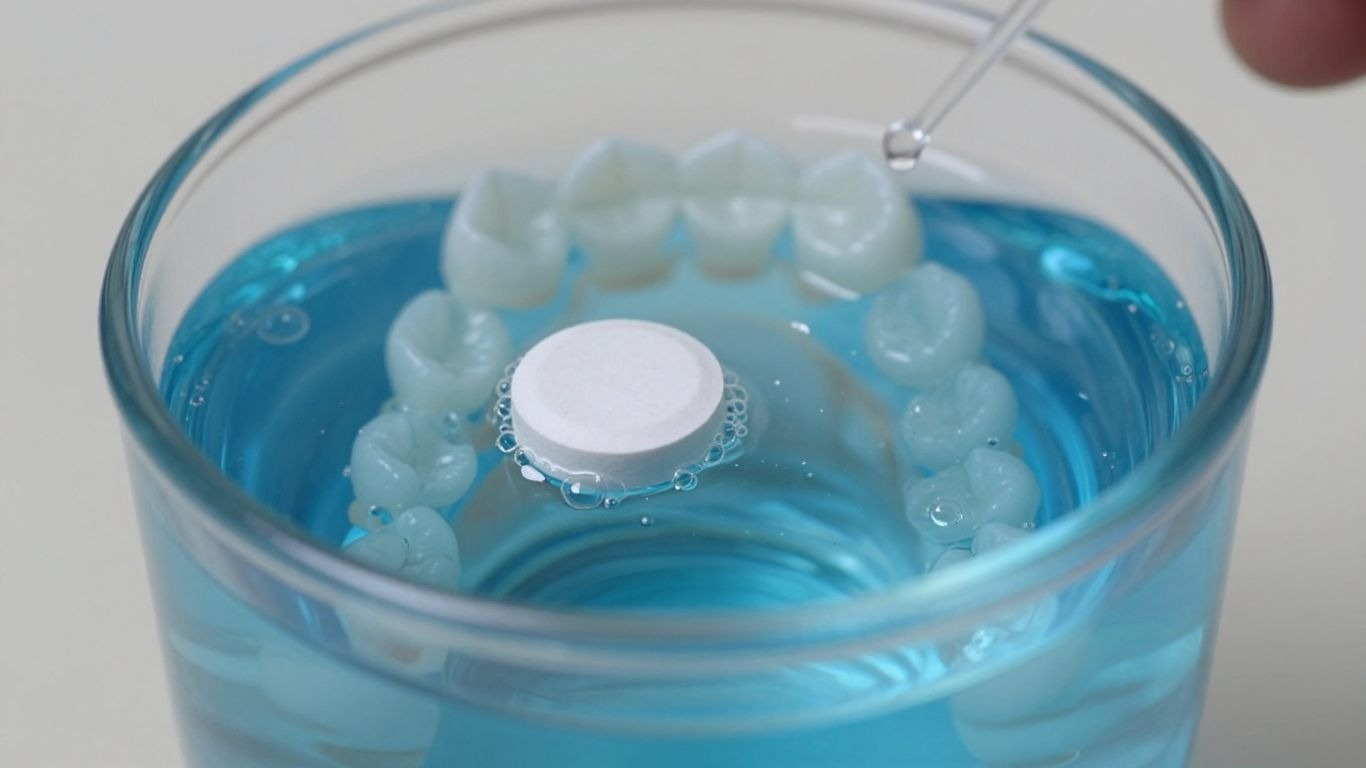
So, you've got dentures and you're wondering what to do with them at night. It's a common question, really. You take them out, but then what? Just leaving them on the counter isn't the best idea. They need a little TLC to stay in good shape and keep your mouth healthy. We're going to break down what you should be soaking your dentures in at night, and why it actually matters. It’s not complicated, but doing it right makes a difference.
What to Remember
- Soaking dentures overnight is vital for keeping them clean, preventing dryness, and maintaining their shape, which helps avoid discomfort and oral health issues.
- Commercial denture cleaning tablets (like Polident or Efferdent) are a top choice for overnight soaking as they are designed to remove plaque and bacteria effectively.
- Plain water or distilled water is a safe alternative for soaking, especially if you don't have cleaning tablets, but it's good to use a cleaner at least weekly.
- Avoid soaking dentures in bleach, harsh household cleaners, hot water, or regular toothpaste, as these can damage the denture material, cause discoloration, or warp the fit.
- Always follow the product instructions for any soaking solution and remember that soaking doesn't replace daily brushing of your dentures and cleaning your mouth.
Why Do Dentures Need to Be Soaked Overnight?
So, you've got dentures, and you're wondering what the deal is with soaking them every night. It might seem like an extra step, but it's actually pretty important for keeping them in good shape and your mouth healthy. Think of it like this: throughout the day, your dentures pick up all sorts of stuff – food bits, plaque, and bacteria. If you just leave them sitting out on your nightstand, they can dry out.
When dentures dry out, they can start to warp or lose their original shape. This is a big deal because it means they might not fit as comfortably in your mouth anymore. A poor fit can lead to sore spots on your gums, irritation, and generally just make wearing them unpleasant. Plus, keeping them moist helps prevent them from becoming brittle over time.
So, while it might feel like a chore, that nightly soak is doing a lot of good work behind the scenes. It's all about preserving the integrity of your dentures and promoting a healthy environment in your mouth.
Best Things to Soak Dentures in at Night
So, what's the deal with soaking your dentures overnight? It's not just some extra step to make things complicated; it's actually pretty important for keeping them in good shape and your mouth healthy. Think of it like giving your dentures a spa treatment after a long day.
Soaking helps keep them moist, which stops them from drying out and warping. If they dry out, they can lose their shape, and that means they won't fit right anymore. This can lead to sore gums and just general discomfort. Plus, soaking helps get rid of all the gunk and bacteria that build up during the day, which is good for your breath and your overall oral health.
So, what are your best options for this nightly soak?
- Denture Cleaning Tablets: These are super popular for a reason. Brands like Polident and Efferdent make tablets specifically designed to clean dentures. You just drop one in water, pop your dentures in, and let them do their thing overnight. They're great at tackling stains and killing bacteria. Just make sure to follow the package directions – they usually say to use warm, not hot, water.
- Plain Water: Yep, good old water works too! If you don't have cleaning tablets or just prefer something simple, soaking your dentures in plain tap water or distilled water is totally fine. It keeps them hydrated and prevents them from drying out. It's a safe bet, especially if you're worried about harsh chemicals. Just make sure the water is room temperature or slightly warm.
- Mild Soap Solution: You can also use a gentle, mild soap mixed with water. Think of the kind of soap you'd use for handwashing. Mix about a teaspoon of it into a glass of water and soak your dentures. Just be sure to rinse them really well in the morning to get rid of any soap residue.
There are also some other options people use, like diluted white vinegar or baking soda solutions, which can help with stains and odors. And sometimes, a diluted hydrogen peroxide solution can be used, but you have to be careful with the dilution and rinse thoroughly. It's always a good idea to check with your dentist about what they recommend for your specific dentures.
Remember, soaking is just one part of denture care. You still need to brush them daily to get rid of food particles and plaque. Soaking helps with the deeper clean and keeps them from drying out, but brushing is your everyday maintenance.
Choosing the right soaking method helps keep your dentures comfortable, clean, and lasting as long as possible. It's a simple step that makes a big difference in your daily life and oral health.
Denture Cleaning Tablets (Polident, Efferdent, etc.)
Okay, let's talk about those little fizzy tablets you see everywhere – the ones for Polident, Efferdent, and their buddies. These are pretty much the go-to for a lot of people when it comes to keeping dentures clean overnight. They're designed specifically for dentures, which is a big plus.
Basically, these tablets are made to tackle plaque, stains, and those not-so-pleasant odors that can build up on your dentures. When you drop one in water with your dentures, it fizzes up and gets to work. It's a pretty simple process, really. You just follow the directions on the box, usually letting them soak for a set amount of time.
Here’s a quick rundown of what they generally do:
- Kill bacteria: They help get rid of the germs that can cause bad breath and other issues.
- Remove stains: Coffee, tea, or food can leave their mark, and these tablets aim to lift those.
- Freshen things up: They leave your dentures feeling and smelling cleaner.
It's super important to read the instructions on the specific brand you're using. Some say soak for 15 minutes, others for a few hours, and some are fine overnight. Using them incorrectly, like soaking for too long if the product isn't meant for it, could potentially cause damage. Always follow what the manufacturer recommends to keep your dentures in good shape.
Remember, these tablets are for cleaning and soaking, not for wearing your dentures while they're in the solution. Always take them out of your mouth first!
Dentist-Recommended Denture Soaking Solutions
So, what's the deal with soaking your dentures? Dentists are pretty clear on this: it's not just about keeping them clean, but also about making sure they last. Leaving them to dry out can cause them to warp, which means they won't fit right anymore, and that's no fun. Plus, all those little bits of food and bacteria that hang out on them all day? Soaking helps get rid of that gunk.
When it comes to what you should be soaking them in, dentists usually point to a few reliable options. It's all about keeping them moist, clean, and in good shape.
Basically, the main goal is to keep them wet and clean. Soaking them overnight is a simple step that makes a big difference in how long they last and how comfortable they are to wear.
Can I Leave My Dentures in Water Overnight?
So, you're probably wondering, "Can I leave my dentures in water overnight?" The short answer is yes, you absolutely can, and it's often recommended! Dentures, much like our own teeth, need to stay hydrated. When they dry out, they can start to warp and lose their shape. This can lead to a whole host of problems, from discomfort and sores in your mouth to a poor fit that makes eating and talking a hassle. Keeping them submerged in liquid overnight is a simple yet effective way to prevent this.
Think of it like this: if you left a piece of plastic out in the sun all day, it might get brittle. Dentures can react similarly if left to dry out. Soaking them helps maintain their integrity and ensures they fit comfortably when you pop them back in.
Here's a quick rundown of why soaking is a good idea:
- Prevents Warping: Keeps your dentures from changing shape.
- Reduces Bacteria: Helps wash away some of the gunk that builds up during the day.
- Maintains Comfort: A proper fit means no sore spots.
While plain water is a perfectly acceptable option for soaking, especially if you're in a pinch, it's worth noting that specialized denture soaking solutions can offer additional cleaning benefits. These solutions are designed to tackle plaque and bacteria more effectively than water alone. However, for basic hydration and shape maintenance, good old water does the trick. Just make sure the water isn't too hot, as extreme temperatures can damage the denture material. Room temperature or slightly warm water is best.
It's important to remember that soaking is just one part of denture care. You still need to clean them thoroughly each day to remove food particles and plaque. Soaking is primarily for storage and hydration overnight.
Can You Soak Dentures in Salt Water Overnight?
So, can you soak dentures in salt water overnight? While it might seem like a natural and simple solution, it's generally not the best idea for your dentures.
Salt water can actually be a bit too harsh for the materials that make up your dentures. Over time, it could potentially lead to discoloration or even weaken the structure of your dentures. Think of it like this: you wouldn't want to soak delicate jewelry in salt water for extended periods, right? Dentures, while durable, also have specific material needs.
Instead of salt water, stick to what's recommended. Plain water or a dentist-approved denture soaking solution are your safest bets for keeping your dentures clean, comfortable, and in good shape overnight.
Can You Soak Your Dentures in Peroxide Overnight?
So, can you soak your dentures in peroxide overnight? The short answer is yes, but with a big "however." Hydrogen peroxide can be a useful tool for cleaning your dentures, but you absolutely cannot use it straight from the bottle. Think of it like bleach – a little bit can be helpful for certain tasks, but using too much or using it incorrectly can cause damage.
When it comes to using peroxide for your dentures, the key is dilution. You'll want to mix it with plain water, usually in a 1:1 ratio. This creates a milder solution that can help kill bacteria and lift some stains without being too harsh on the denture material. After soaking, it's super important to rinse your dentures really well. You don't want any leftover peroxide residue in your mouth.
Can You Soak Dentures with a Soft Liner in Water?
So, you've got dentures with a soft liner, and you're wondering if just plain water is okay for overnight soaking. It's a common question, and the short answer is: usually, yes, but with a few things to keep in mind.
Soft liners are designed to make your dentures more comfortable, kind of like a cushion. Because they're made of a softer material, they can be a bit more sensitive than the rest of your denture. The main goal is to keep them moist to prevent them from drying out and becoming brittle or losing their shape.
So, while water is usually a go, always double-check with your dental professional if you have any doubts. Keeping those soft liners happy means keeping your dentures comfortable!
Can You Soak Dentures Overnight in Polident 3 Minute?
So, let’s clear this up: Polident 3 Minute tablets are made for quick, powerful denture cleaning. You drop your dentures in with the tablet, wait three minutes, and you're pretty much good to go. But the big question—can you just leave your dentures soaking in that same solution all night?
It's not a good idea to soak your dentures in Polident 3 Minute solution overnight. The formula is strong and designed to work fast, so leaving it on your dentures for hours could actually damage the materials or fade the gum coloring on the denture base. Instead, if you want to keep things simple overnight, use a standard overnight denture cleaner or just water.
Step-by-Step: How to Soak Dentures Overnight Properly
Alright, so you've taken out your dentures for the night, and now it's time for their spa treatment. It's not complicated, but doing it right makes a big difference for your mouth and your dentures.
Here’s the lowdown on how to get it done:
- Give 'em a good rinse first. Before you do anything else, just run your dentures under some cool or lukewarm tap water. This gets rid of any loose bits of food or leftover adhesive that might be hanging around. It’s like a pre-wash for your teeth.
- Gentle brushing is key. Now, grab a soft-bristled toothbrush – a regular one works, but a special denture brush is even better. Use a little bit of mild hand soap or a denture paste (not regular toothpaste, that stuff's too rough!) and gently brush all the surfaces. Get into all the nooks and crannies. This is where you really get rid of the gunk and bacteria that build up during the day.
- Pick your soaking potion. This is where you decide what they're going to chill in overnight. You've got options:
- Time for the soak. Put your clean dentures into a container. Pour in your chosen soaking solution, making sure the dentures are fully covered. You don't want any part of them drying out.
- Store them safely. Close the lid on your container and put it somewhere safe where it won't get knocked over. This keeps your dentures protected and ready for you in the morning.
Don't forget to keep your soaking container clean too! A dirty cup can undo all your good work. Wash it out regularly with soap and water.
How Long Should You Soak Dentures at Night?
Let's get straight to it: you should soak your dentures overnight, which usually means anywhere from 6 to 8 hours. That’s the sweet spot most folks hit while sleeping. The idea is to give your dentures enough time to get thoroughly moistened and cleaned, but not so long that they sit forgotten in solution for days.
Here’s a quick table for common soaking times:
- Plain Water – 6–12 hours
- Denture Cleaning Tablets – As per package (usually 6–8 hours)
- Mild Soap Solution – 6–8 hours
- Bleach-based Solutions* – No more than 10 minutes
*Only use these if directed by your dentist (seriously, they can mess up your dentures if left too long).
Should You Sleep With Dentures In?
So, the big question: should you keep your dentures in while you catch some Zs? For most folks with removable dentures, the answer is a pretty firm no. Think about it – your gums need a break! Wearing dentures 24/7 puts constant pressure on them, and sleeping with them in can lead to some serious irritation, sores, and even speed up bone loss in your jaw. Plus, your gums need that downtime to recover from the day's work.
When to See a Dentist About Your Denture Care
Even with the best nightly soak and cleaning routine, sometimes things just don't feel right with your dentures. It's super important to pay attention to your mouth and your dental gear.
Don't wait too long to call your dentist if you notice any of these things.
- Discomfort or Irritation: If your dentures are rubbing your gums raw, causing sores, or just feel generally uncomfortable, it's time for a check-up. This could mean they're not fitting quite right anymore.
- Fit Changes: Dentures can loosen over time as your mouth changes. If they feel loose, slip around when you talk or eat, or just don't feel secure, a dentist can often adjust them or let you know if it's time for new ones.
- Visible Damage: Keep an eye out for any cracks, chips, or signs of significant wear on
If you' your dentures. Even small damages can get worse and cause problems.
Your dentist is your best resource for making sure your dentures are working well and that your mouth stays healthy. They can also give your dentures a really thorough cleaning that you just can't do at home, getting rid of any stubborn buildup. Reach out to Coeur d'Alene Dental Center today to begin your journey toward a healthier, more confident smile.
Frequently Asked Questions
- Why is it important to soak dentures overnight?
Soaking your dentures at night is super important! It keeps them clean from food bits and yucky germs that build up during the day. It also stops them from drying out, which can make them lose their shape and not fit right anymore. Think of it like giving your fake teeth a nice bath and spa treatment so they stay comfy and last longer. - What's the best thing to soak my dentures in?
The safest bet is usually plain water or a special denture cleaning solution you can buy at the store, like Polident or Efferdent. These cleaners are made just for dentures and help get rid of germs and stains without hurting them. Always check the package for instructions! - Can I just soak my dentures in plain water?
Yes, you absolutely can! Soaking your dentures in plain water overnight is a perfectly fine and recommended way to keep them from drying out. It helps maintain their shape and makes sure they don't become brittle. Just make sure the water isn't too hot. - Is it okay to soak dentures in salt water?
While some people might think salt water is a good idea, it's generally not recommended for soaking dentures overnight. It can be too harsh and might not effectively kill all the bad bacteria. Stick to water or specific denture cleaners for the best results. - Can I use hydrogen peroxide to soak my dentures?
You can use hydrogen peroxide, but it's really important to dilute it with water first. Using it straight can be too strong and might damage your dentures. A mix of equal parts peroxide and water, followed by a good rinse, is usually okay. Always follow instructions carefully.
Featured image
Blog Post Author

Contributed by DentalROI
DentalROI provides relevant dental content to help providers educate patients. The statements, services, and products referenced in this article have not been evaluated by the Food and Drug Administration, and they are not intended as a substitute for professional medical advice, diagnosis, or treatment. Always seek the advice of your dental provider with any questions or issues you may have. Specific recommendations may vary in different circumstances, so individual consultation is important.

