 1322 W. Kathleen Ave., Suite 1, Coeur d'Alene, Idaho 83815
 208.518.0770
Why Do My Gums Bleed When I Floss
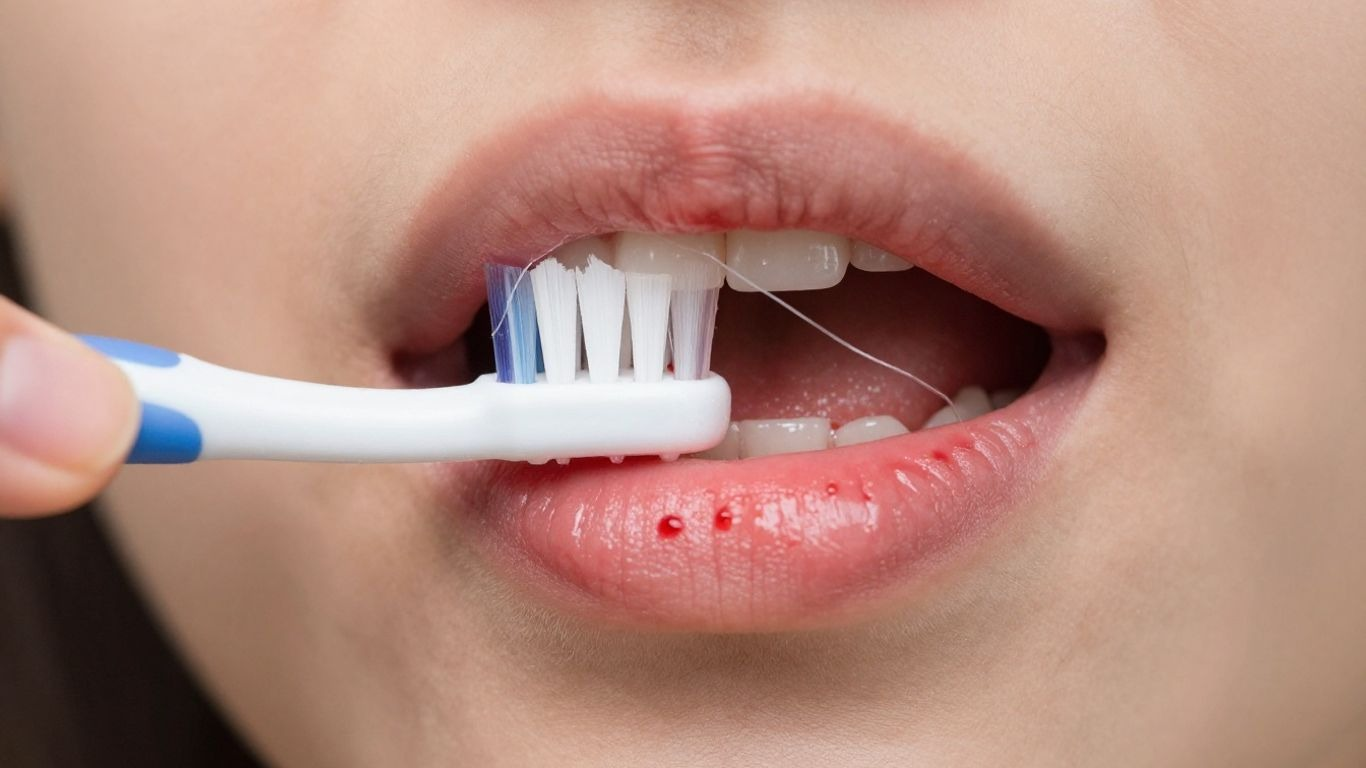
Seeing red after flossing can be a bit startling, right? You're trying to do something good for your teeth, and suddenly, there's blood. It's a common experience, and many people wonder, "Why do my gums bleed when I floss?" Let's break it down.
Is It Normal for Gums to Bleed When Flossing?
So, is it normal for gums to bleed when flossing? The short answer is: not really, if it's happening all the time. A little bit of bleeding now and then might not be a huge deal, especially if you're just starting to floss or haven't been consistent. But if your gums bleed every single time you floss, that's a signal that something needs attention. It's your body's way of saying, "Hey, pay attention here!"
Think of it like this:
- Occasional spotting: Might happen if you're new to flossing or haven't done it in a while.
- Consistent bleeding: Usually points to an underlying issue that needs looking into.
- No bleeding: This is the goal for healthy gums!
It's easy to get worried, but understanding the common reasons behind gums bleeding when flossing can help you figure out what's going on and what to do next.
What Causes Bleeding Gums When Flossing?
So, you're flossing and notice some pink in the sink. It's definitely not the most pleasant sight, and it can make you wonder what's going on. The most common reason for bleeding gums when flossing is simply not flossing enough.
When you don't floss regularly, plaque and bacteria have a field day along your gumline. This buildup irritates your gums, making them inflamed, swollen, and way more likely to bleed when you finally get around to cleaning between your teeth. It's like your gums are saying, "Hey, where have you been?"
Can Flossing Too Hard Make Your Gums Bleed?
Yep, you can definitely overdo it. While you need to be firm enough to get the gunk out, being too aggressive with the floss can actually damage your delicate gum tissue. Snapping the floss down or sawing back and forth too roughly can cause tiny cuts, leading to bleeding. It's all about finding that gentle, C-shaped motion around each tooth, sliding the floss carefully up and down.
Here are a few other things that might be contributing to those bleeding gums:
- Starting a new flossing routine: If you're new to flossing or haven't done it consistently, your gums might just need a little time to get used to the stimulation. Stick with it, and they'll likely toughen up.
- Hormonal changes: Things like pregnancy, puberty, or even your monthly cycle can make your gums more sensitive and prone to bleeding.
- Certain medications: Some drugs, especially blood thinners, can increase your tendency to bleed.
- Underlying health issues: Less commonly, persistent bleeding could be a sign of conditions like diabetes or vitamin deficiencies.
It's important to remember that while occasional bleeding might happen, especially when you're just starting out, consistent bleeding isn't something to ignore. It's your body's way of telling you something needs attention.
Why Are My Gums Bleeding When I Floss Every Day?
So, you're flossing daily, being a good dental citizen, and yet... blood. It's confusing, right? You'd think that by now, your gums would be thanking you, not staging a tiny, bloody protest. If you're finding that your gums are still bleeding even though you're flossing every single day, it's definitely worth a closer look. It might feel like a setback, but it's often just your gums telling you something specific.
How Long Until Gums Stop Bleeding When Flossing?
This is the million-dollar question, and the answer isn't a one-size-fits-all. Generally, if your bleeding is due to starting a new flossing routine or just not flossing consistently enough, you should start to see a difference within a week or two. We're talking about a few days to maybe two weeks of diligent, daily flossing. Your gums are like any other part of your body; they need time to adjust and heal. If you're consistently flossing every day, and after about two weeks, you're still seeing blood, it's a sign that something else might be going on.
- Initial Adjustment Period: For the first few days to a week, some minor bleeding can be normal as your gums get used to the floss. Think of it as a gentle wake-up call for your gum tissue.
- Consistent Improvement: If you're doing it right, the bleeding should lessen each day. By the end of the second week, you should ideally be seeing little to no blood.
- Persistent Bleeding: If the bleeding continues beyond two weeks of daily flossing, it's time to pay closer attention to other potential causes.
Don't get discouraged if you don't see results overnight. Consistency is key, and your gums will thank you for it in the long run. It takes time for inflammation to go down and for gum tissue to become healthier and stronger.
Sometimes, even with daily flossing, bleeding can persist. This could be because the technique isn't quite right – maybe you're being a bit too rough, or not getting the floss into the right spots. It could also be that the underlying cause isn't just about flossing habits. Things like hormonal changes (hello, pregnancy or menopause!), certain medications, or even vitamin deficiencies can make your gums more prone to bleeding. And, of course, there's the big one: gum disease. If your gums are bleeding daily, even with good flossing habits, it's a strong signal to book an appointment with your dentist.
How to Stop Gums From Bleeding When Flossing
Okay, so your gums are bleeding when you floss. It’s not the most pleasant sight, but don't panic! There are definitely things you can do to get them back in shape. The good news is that often, it's a fixable problem.
When Should You See a Dentist About Bleeding Gums?
First off, let's talk about when you should probably just book an appointment with your dentist. If you've just started flossing and it's bleeding a little, that's usually okay and should get better. But if you've been flossing regularly for a while and the bleeding is new, or if it's really heavy and doesn't stop easily, it's time to get it checked out. Also, if your gums are constantly red, swollen, or look like they're pulling away from your teeth, that's a sign something's up. Persistent bleeding could point to gum disease or even something else going on with your health that needs a professional eye.
What You Can Do at Home
Most of the time, bleeding gums are a sign that your gums aren't super happy, and usually, that's because of plaque buildup. So, the number one thing you can do is get serious about your oral hygiene routine. Consistent, gentle flossing is your best friend here.
Here’s a breakdown of what to focus on:
- Floss Daily, Gently: Yes, daily! It might seem counterintuitive to floss more if it's bleeding, but that's how you remove the gunk causing the problem. Use about 18 inches of floss, wrap most around your middle fingers, and use your index fingers and thumbs to guide it. Gently slide the floss between your teeth, curving it around the base of each tooth in a "C" shape. Don't force it or snap it down onto your gums.
- Brush Smart: Use a soft-bristled toothbrush and brush twice a day. Don't scrub like you're cleaning a floor; use gentle, circular motions. Make sure you're cleaning along the gumline where plaque loves to hide.
- Consider Your Tools: If you're finding it hard to get the hang of string floss, there are other options. Water flossers can be great for getting into tricky spots, and electric toothbrushes often do a better job of cleaning without you having to apply too much pressure.
- Rinse It Out: An antimicrobial mouthwash can help reduce bacteria and inflammation. Some people find rinsing with a saltwater solution (about half a teaspoon of salt in a cup of warm water) can also be soothing.
- Watch Your Diet: Eating foods rich in Vitamin C (like citrus fruits, berries) and Vitamin K (like leafy greens) can help with tissue repair and blood clotting. Try to cut back on sugary snacks and drinks that feed the bad bacteria in your mouth.
It might take a week or two of being really consistent with your new routine for the bleeding to stop. Be patient with yourself and your gums. They're just letting you know they need a little extra TLC.
If you stick with these steps and the bleeding doesn't improve after a couple of weeks, or if it gets worse, then it's definitely time to call your dentist. They can figure out if there's a deeper issue and give you more specific advice.
Can Bleeding Gums When Flossing Be a Sign of Gum Disease?
Okay, so you're flossing, and bam! Blood. It's definitely not the most pleasant sight, and it can make you wonder what's going on. While sometimes it's just your gums getting used to being cleaned properly, persistent bleeding can actually be your mouth's way of telling you something's up, and that something could be gum disease.
Think of it this way: your gums are like the foundation for your teeth. When that foundation gets inflamed and irritated, it starts to break down. That's basically what happens with gum disease. It usually kicks off with gingivitis, which is the early stage. Plaque, that sticky film of bacteria, builds up along your gum line because it's not being removed regularly. This buildup irritates your gums, making them red, swollen, and, yup, prone to bleeding when you floss or even brush.
If you ignore gingivitis, it can get worse and turn into periodontitis. This is where things get more serious. The inflammation can spread deeper, affecting the tissues and bone that hold your teeth in place. This can lead to gums pulling away from your teeth, creating pockets that collect even more gunk, and eventually, you could even lose teeth. Yikes.
So, if you're seeing blood every time you floss, especially if it's a new thing or happening consistently, it's a pretty good signal to pay attention. It's not just about a little blood; it's about the health of your whole mouth.
Here's a quick rundown of why bleeding might point to gum disease:
- Redness and Swelling: Healthy gums are usually pink and firm. If yours look red and puffy, that's inflammation talking.
- Bleeding: As we've talked about, this is a classic sign that your gums are irritated.
- Bad Breath: Persistent bad breath that doesn't go away even after brushing can be a sign of bacteria buildup associated with gum disease.
- Receding Gums: If your teeth start looking longer because your gums are pulling away, that's a more advanced sign.
It's easy to get freaked out by bleeding gums, but often, it's a sign that your mouth needs a little more attention, not less. Consistent, gentle flossing and brushing are key, but if the bleeding doesn't stop, it's time to get a professional opinion.
Don't just assume it's normal or that you're flossing too hard. If you've been flossing regularly and gently for a while and the bleeding continues, it's definitely time to book an appointment with your dentist. They can check things out, figure out if it's gum disease, and help you get back on track to healthy gums.
So, What's the Takeaway?
Alright, so we've talked about why your gums might be throwing a little party with blood after you floss. Most of the time, it's just your gums telling you they need a bit more attention – maybe you're new to flossing, or perhaps you're getting a little too enthusiastic with that string. But if you've been flossing regularly and it's still happening, or if it seems to be getting worse, don't just shrug it off. It could be a sign of something else going on, and your dentist is the best person to figure that out. Keep up with that daily flossing, be gentle, and if in doubt, book that dental appointment. Your smile will thank you for it!
Frequently Asked Questions
Is it okay if my gums bleed a little when I first start flossing?
Yes, if you're new to flossing or haven't done it regularly, your gums might bleed a bit at first. This is usually because they're not used to the cleaning motion. Keep flossing gently every day, and your gums should get healthier and stop bleeding within a week or two.
Can I hurt my gums by flossing too hard?
Definitely. If you snap the floss down into your gums or move it around too roughly, you can cause tiny cuts and make them bleed. It's important to be gentle and slide the floss carefully along the curve of each tooth to clean it without causing damage.
My gums bleed even though I floss every day. What's wrong?
If your gums bleed even with daily flossing, it could mean there's a buildup of plaque and bacteria causing irritation, which is a sign of gingivitis, the early stage of gum disease. It's a good idea to see your dentist to check on your gum health.
How long will it take for my gums to stop bleeding when I floss?
If the bleeding is due to not flossing enough, you should see a difference within a week or two of flossing consistently and gently every day. If the bleeding doesn't stop after that, it's time to consult your dentist.
What should I do to stop my gums from bleeding when I floss?
The best approach is to floss gently every day using a soft-bristled toothbrush and fluoride toothpaste. Also, make sure you're eating a healthy diet with enough vitamins C and K, and consider using an antimicrobial mouthwash. If bleeding continues, see your dentist.
When should I be worried about bleeding gums and see a dentist?
You should see a dentist if your gums bleed persistently even after you've improved your flossing routine, or if you notice other issues like swollen gums, bad breath, or teeth that feel loose. It could be a sign of gum disease or another health problem that needs professional care.
Blog Post Author

Contributed by DentalROI
DentalROI provides relevant dental content to help providers educate patients. The statements, services, and products referenced in this article have not been evaluated by the Food and Drug Administration, and they are not intended as a substitute for professional medical advice, diagnosis, or treatment. Always seek the advice of your dental provider with any questions or issues you may have. Specific recommendations may vary in different circumstances, so individual consultation is important.

