 1322 W. Kathleen Ave., Suite 1, Coeur d'Alene, Idaho 83815
 208.518.0770

Can You Get an MRI With Dental Implants? What Patients Should Know
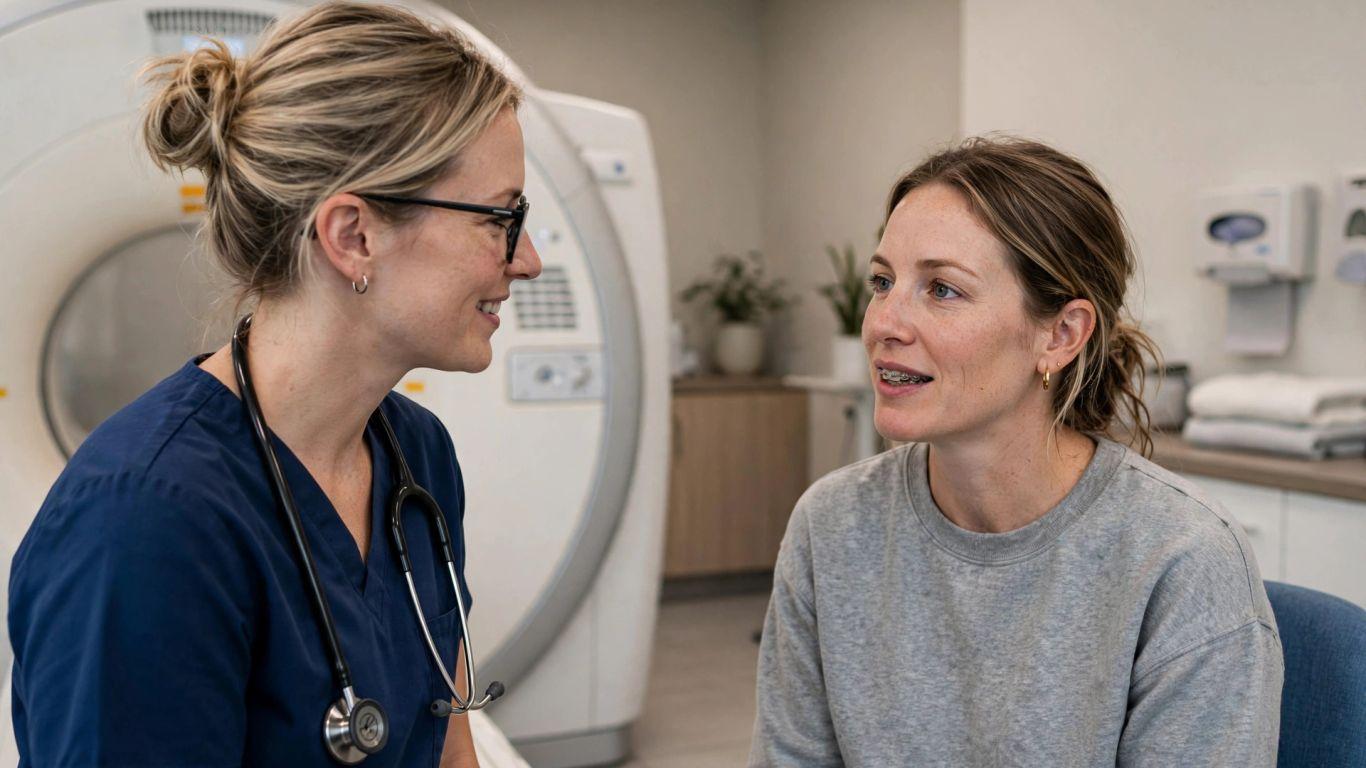
For most people with fixed dental implants, an MRI is possible. The implant alone does not automatically rule out the scan, but the imaging team needs to know about it before you enter the MRI room. Your implant's materials and any attached or removable components can affect the safety screening and the images. The exact device details matter, so mention your dental work when you schedule.
Why Most Fixed Dental Implants Are Usually MRI-Compatible
Many fixed dental implants are made from materials that are not strongly attracted to the MRI magnet. That is why having a standard implant often does not prevent someone from getting an MRI. Still, the MRI team must screen each patient and follow the device's safety information rather than assume every implant is the same. If you are still considering treatment, our overview of dental implants in Coeur d'Alene explains how they are placed and restored.
How Titanium and Zirconia Respond to the MRI Environment
Titanium and zirconia are common implant materials, but they behave differently: titanium is a metal, while zirconia is a ceramic. Neither fact alone tells the MRI team everything it needs to know about a specific implant system or its other components. Share the material information if you have it, and let the imaging team determine whether any conditions apply.
Why the Implant's Exact Components Still Matter
An implant may be part of a larger restoration that includes an abutment, crown, bar, or attachment. The materials and design of those components can differ, and some removable prostheses use magnetic attachments. When details are available, the team can assess the complete setup instead of relying on the broad label "dental implant."
What Risks and Image Issues Should You Know About?
For a typical fixed dental implant, movement or heating during an MRI is generally not expected, but the imaging center still needs to review the specific device and circumstances. A separate issue is image quality: dental materials can distort the signal around the mouth and jaw. The effect depends on the materials and where the scan is focused, so let the team know what area is being examined.
Why Movement or Heating Is Generally Not Expected With Standard Implants
Common fixed implants are typically secured in the jaw, and standard implant materials are not usually strongly pulled by the MRI magnet. That makes movement or noticeable heating unlikely in ordinary circumstances. It is not a personal safety clearance, though; the screening team should check the device information and consider any additional dental hardware before proceeding.
How Dental Work Can Create Artifacts on Nearby Images
An artifact is distortion or signal loss in an MRI image. Dental restorations can create these effects close to the mouth, jaw, or face, which may make nearby structures harder to assess. The implant does not necessarily make the scan unusable; the radiology team can interpret the images in light of the dental work and determine whether the distortion affects the question the scan is meant to answer.
Why Scans of the Mouth, Jaw, or Head May Need Extra Planning
When the scan focuses on anatomy near dental work, image distortion may matter more than it would for a body area farther away. The radiology team may review the requested scan area and the type of dental hardware before choosing an approach. Tell the referring clinician if the scan is intended to examine your mouth, jaw, or head so that this can be considered during scheduling.
What Implant Details Should You Share?
The more specific the information you can provide, the easier it is for the imaging team to assess your situation. You do not need to identify every component from memory, and you should not guess if you are unsure. An implant card or a call to your dental office may help fill in the gaps.
How an Implant Card or Dental Records Can Help Identify Materials
An implant card, treatment summary, or dental record may list the manufacturer, model, materials, or date of placement. These details can help the MRI team look up the relevant safety information. If you do not have a card, ask your dentist or oral surgeon whether the office can provide records; even partial details are more useful than a guess. Patients of our practice can request records through our office.
Why Magnetic Attachments and Removable Prostheses Need Separate Screening
Some removable dentures or overdentures use attachments that differ from a fixed implant post. The imaging team should know about these parts, whether they are magnetic, and whether they can be removed. Do not take out or alter a component that is fixed in place; ask the dental office or MRI staff what to do. If you wear an implant-supported prosthesis, our page on dentures and partials describes the options.
Which Other Dental Devices to Mention, Including Retainers and Bridges
Tell the team about other dental devices and restorations, not just implants. Their materials, whether they are fixed or removable, and their location can be relevant to screening or image quality. A quick inventory can make the conversation easier:
- Fixed bridges, crowns, and metal-containing restorations
- Removable dentures, retainers, or orthodontic appliances
- Magnetic attachments or other components connected to a prosthesis
- Any dental hardware you cannot identify or remove yourself
This list is a starting point, not a safety determination. Include anything you are uncertain about on the screening form or tell the MRI staff directly.
How to Prepare for Your MRI
Mention your dental implants when you book the appointment, then repeat the information during the formal safety screening. If the scan is urgent, do not delay care while trying to track down every detail; tell the imaging center what you know and ask what information it needs. The MRI team can advise whether records are needed before the scan.
When to Tell the Imaging Center About Your Implants
Bring up the implant at scheduling, especially if the scan will focus on your mouth, jaw, or head. Early notice gives the center time to review available device information and plan for possible image distortion. If you remember an additional dental appliance later, contact the center before your appointment rather than waiting until you are in the scanner area.
What to Include on the MRI Safety Screening Form
Answer every question as accurately as you can, including questions about implants and removable devices. If the form asks for details you do not know, say so rather than leaving the team to infer an answer. Useful information can include:
- What dental work you have and where it is located
- Whether any part is removable or has a magnetic attachment
- The approximate date of placement and the dental office involved
- Any implant card or records you can bring or have sent
The staff may ask follow-up questions or contact your dental provider if more information is needed.
When Removable Dental Appliances May Need to Come Out
The MRI team may ask you to remove a removable retainer, denture, or other appliance before entering the scan room. Follow the staff's directions and bring a case if you have one. Fixed crowns, bridges, and implants are not removable by the patient, so simply tell the team they are present and let staff decide whether anything else is required.
What to Expect During the Scan
Before the scan, staff will review your screening answers and confirm any information that needs clarification. They may ask about the type and location of your dental work, and they will give you instructions for removable appliances. If the scan is near your dental hardware, the imaging team may also consider whether artifacts could affect the images.
How the MRI Team Checks Implant Information Before Imaging
The team reviews the information you provide and follows its usual safety screening process. If a device's identity or conditions are unclear, staff may ask for records or seek guidance before proceeding. That review is routine; being asked follow-up questions does not necessarily mean the scan cannot be done.
What to Do if You Feel Discomfort or Have a Concern
Tell the MRI staff before the scan if you are worried about an implant or unsure whether a device can be removed. During imaging, use the call button or follow the instructions you were given if you feel discomfort or become concerned. Do not try to adjust fixed dental work yourself; the staff can pause and assess what to do next.
When to Get Extra Guidance Before Scheduling
Most people can start by telling the imaging center what dental work they have and following its screening process. Extra guidance is useful if the implant is unfamiliar, the prosthesis includes magnetic parts, or the scan is focused close to the dental hardware. Your dentist, surgeon, referring clinician, and imaging team can help clarify what information is needed.
What to Do if You Do Not Know Your Implant's Type or Material
Do not guess about the material or model. Ask the dental office that placed the implant for records or an implant card, and share whatever you do know with the imaging center. If the records are unavailable, the MRI team can advise whether it can proceed with the information on hand or needs further review.
Why Recent Dental Surgery May Call for Advice From Your Dentist or Surgeon
If you have recently had dental surgery, tell both the clinician who ordered the MRI and the imaging center. Your dentist or surgeon can advise on your recovery and any procedure-specific considerations, while the MRI team handles the scan's safety screening. There is no universal waiting period that applies to every dental procedure, so ask the clinicians involved rather than assuming you must wait or can proceed immediately. Our team provides oral surgery care and can advise on recovery questions.
Conclusion
For many patients, dental implants do not prevent an MRI, but the imaging team needs accurate information about the implant and any related dental devices. Share what you know early, bring records if available, and ask for guidance when a component or material is unclear. Screening helps the team address both safety and image quality for your particular scan. The U.S. Food and Drug Administration's overview of MRI explains how scanners work and what safety considerations apply. If you have questions about the implants we placed or want to learn about their benefits, meet our doctors and schedule a visit.
Frequently Asked Questions
Can you get an MRI with dental implants?
Often, yes. The MRI team needs to screen the specific implant and any associated components before deciding whether the scan can proceed.
Do I need to tell the MRI center about my dental implant?
Yes. Mention it when scheduling and include it on the safety screening form, even if you have had an MRI before.
Can dental implants move during an MRI?
Movement is generally not expected with standard fixed implants, but the imaging team should review the device information and your circumstances.
Can dental implants heat up during an MRI?
Noticeable heating is generally not expected with standard implants. Tell the MRI staff about the implant so they can complete the appropriate screening.
Will a dental implant affect my MRI images?
It can create distortion in images close to the implant, particularly around the mouth or jaw. The radiology team can assess whether that affects the scan being performed.
Should I remove my dentures or retainer before an MRI?
The staff may ask you to remove removable appliances before the scan. Ask the imaging center what to do, and do not try to remove anything fixed in place.
What if I do not know what my implant is made of?
Contact the dental office that placed it for records if possible, and tell the imaging center what you know. Do not guess; the MRI team can advise whether it needs more information.
About the Author
This article was reviewed by the dental team at Coeur d'Alene Dental Center. Dr. KC McVey, DDS, earned his Doctor of Dental Surgery degree at Creighton University School of Dental Medicine and completed a one-year Advanced Education in General Dentistry residency at UCLA; he is a member of the Academy of General Dentistry, the American Dental Association, the American Academy of Dental Sleep Medicine, and the Idaho State Dental Association. Dr. Sarah McVey, DDS, also earned her DDS at Creighton University and completed an Advanced Education in General Dentistry residency at UCLA; she is a member of the American Dental Association and the Academy of General Dentistry. Coeur d'Alene Dental Center is located at 1322 W. Kathleen Ave., Suite 1, Coeur d'Alene, ID 83815, and provides family and cosmetic dentistry to patients throughout North Idaho.
Disclaimer
This article is intended for general informational purposes only and does not constitute dental or medical advice. MRI safety depends on the specific device and scanner, and screening decisions are made by the imaging team. Always consult your dentist, referring physician, and the MRI facility about your specific situation.
Blog Post Author

Contributed by DentalROI
DentalROI provides relevant dental content to help providers educate patients. The statements, services, and products referenced in this article have not been evaluated by the Food and Drug Administration, and they are not intended as a substitute for professional medical advice, diagnosis, or treatment. Always seek the advice of your dental provider with any questions or issues you may have. Specific recommendations may vary in different circumstances, so individual consultation is important.

